adventure

Blog

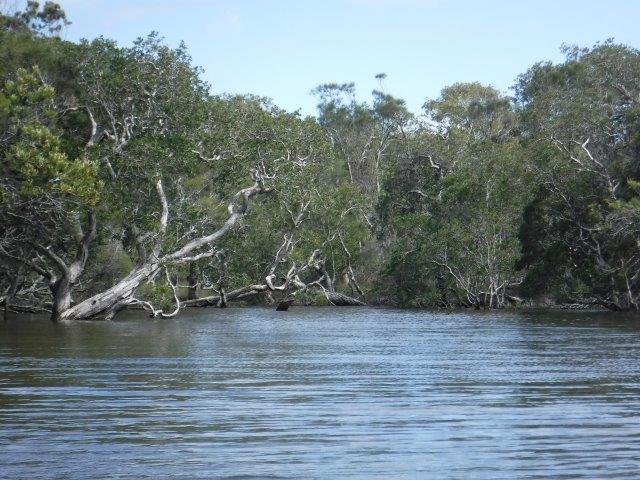
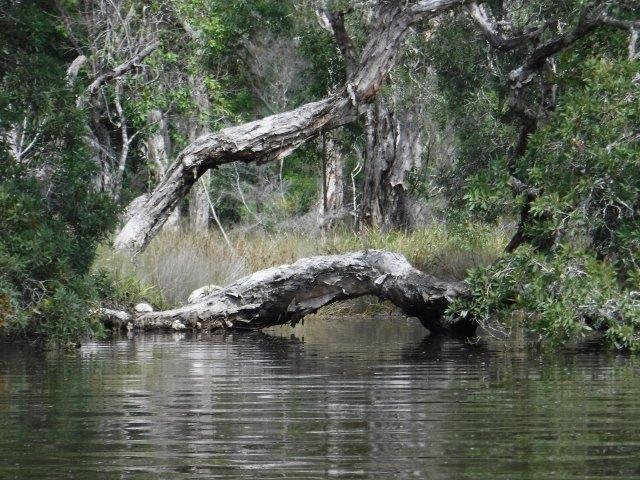
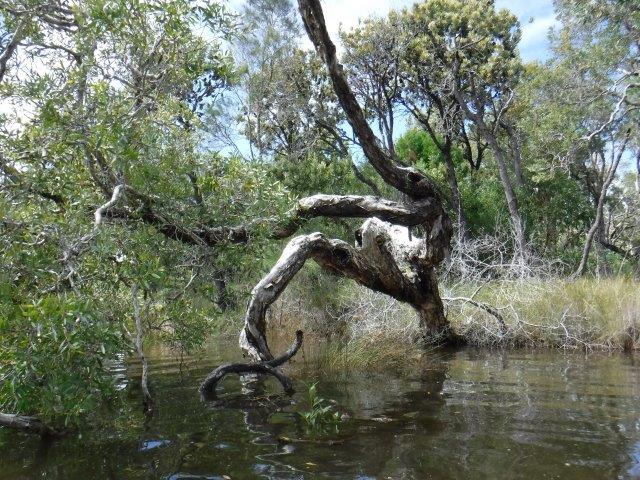
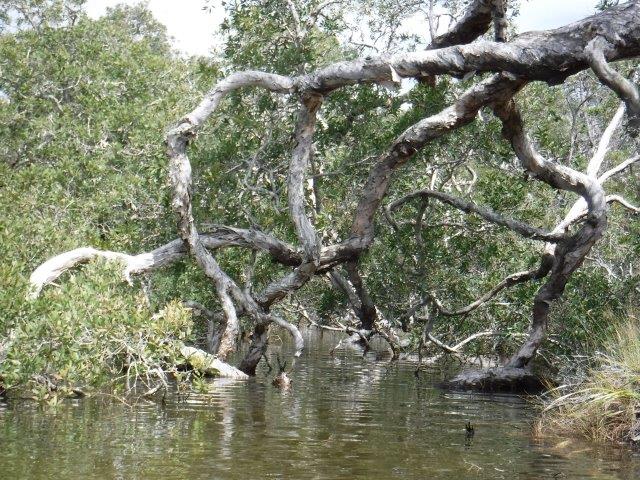
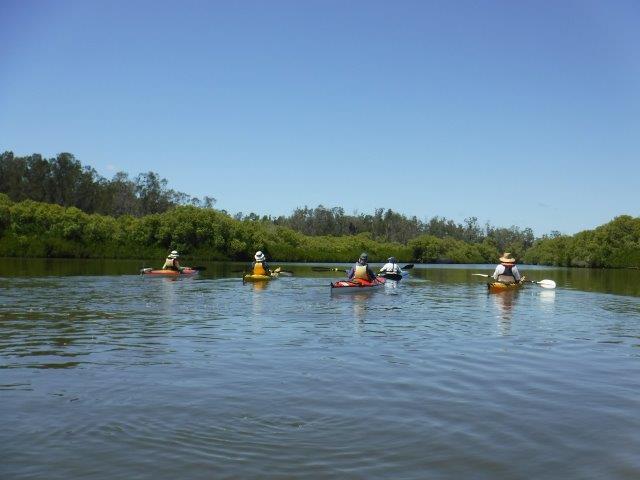
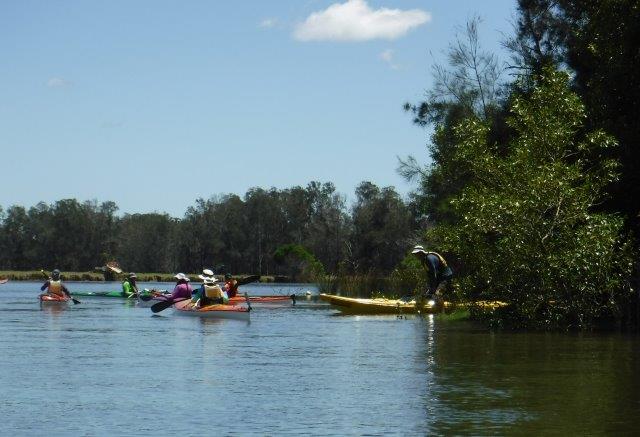
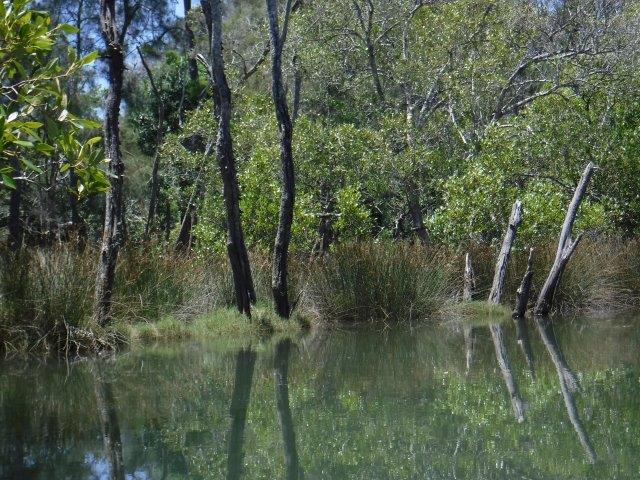
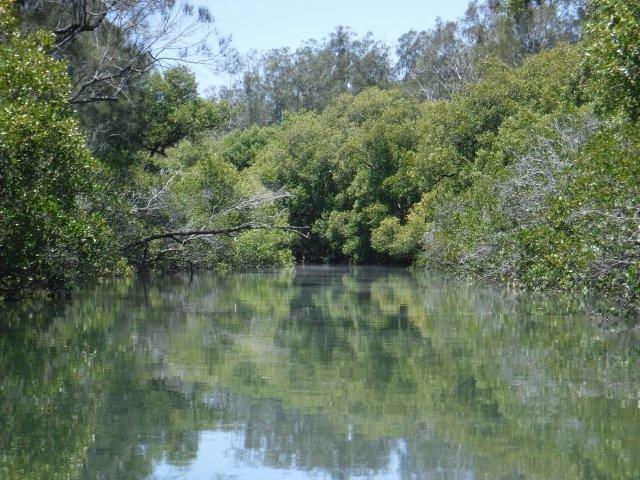
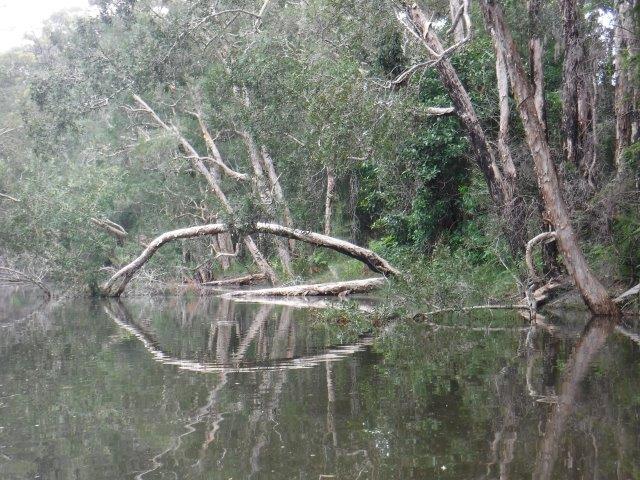
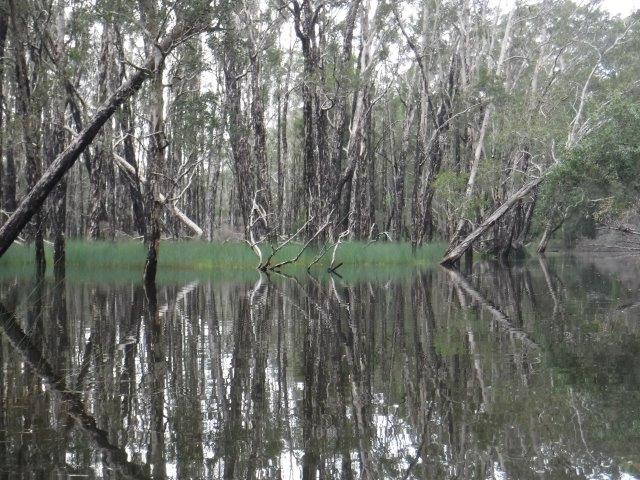
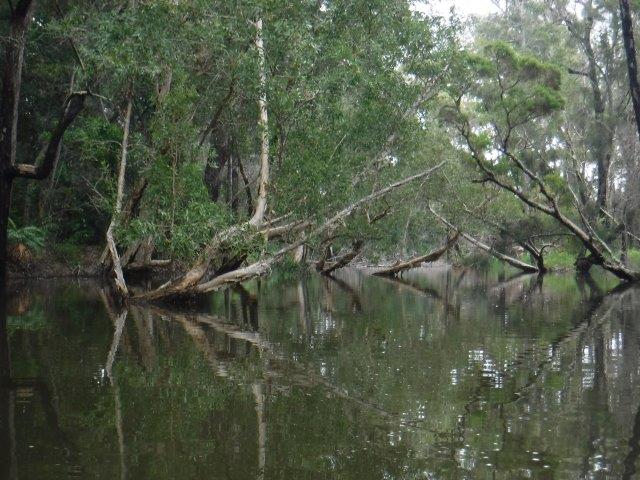
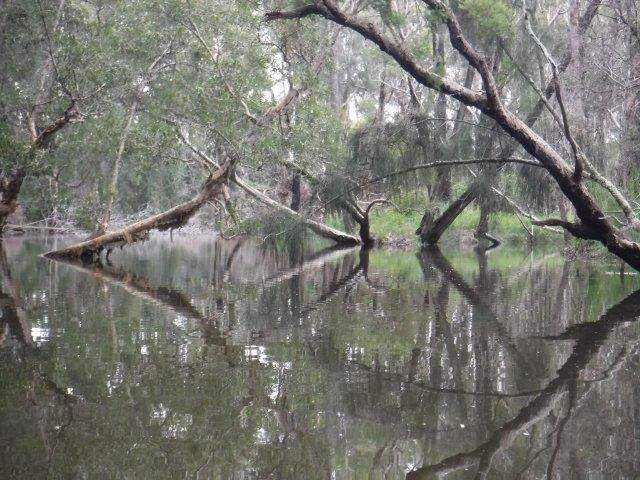
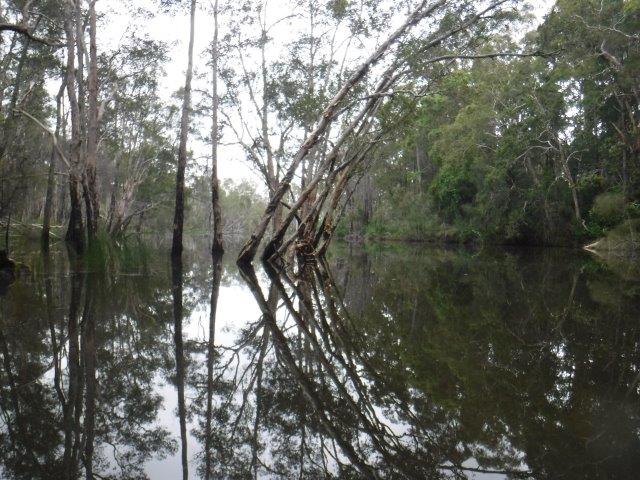
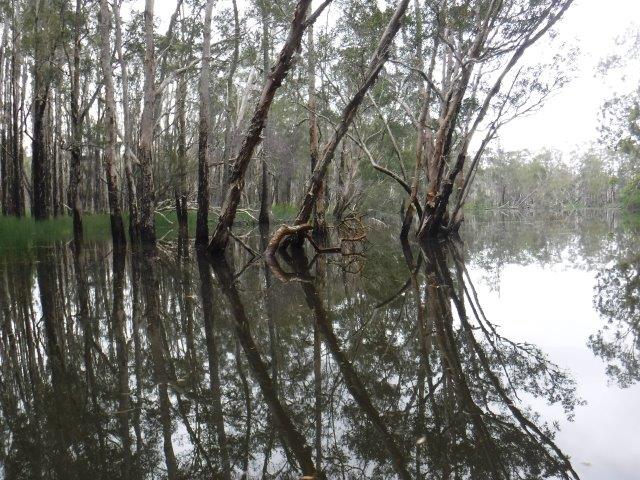
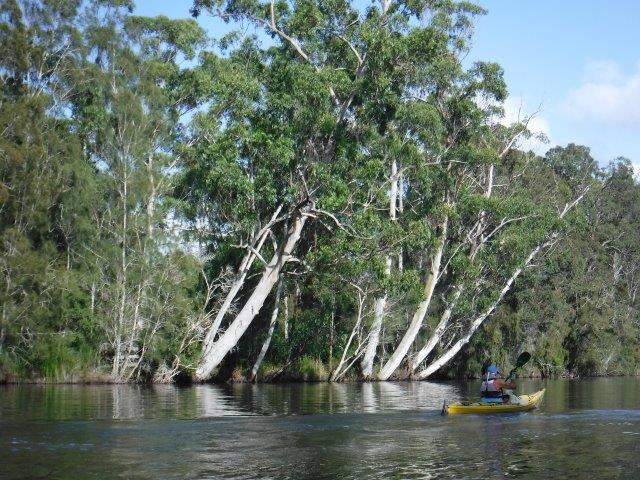
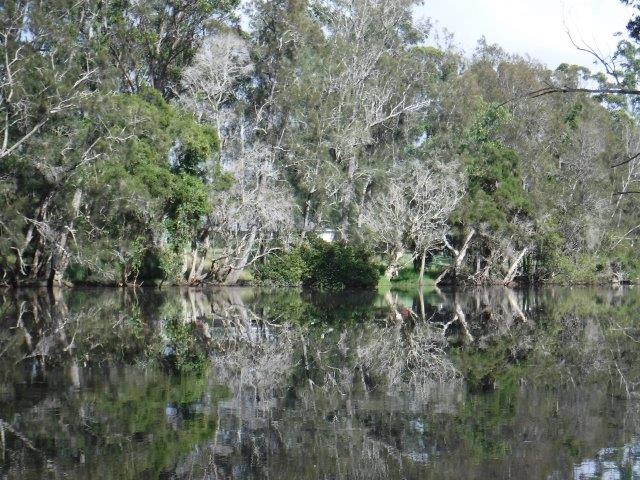
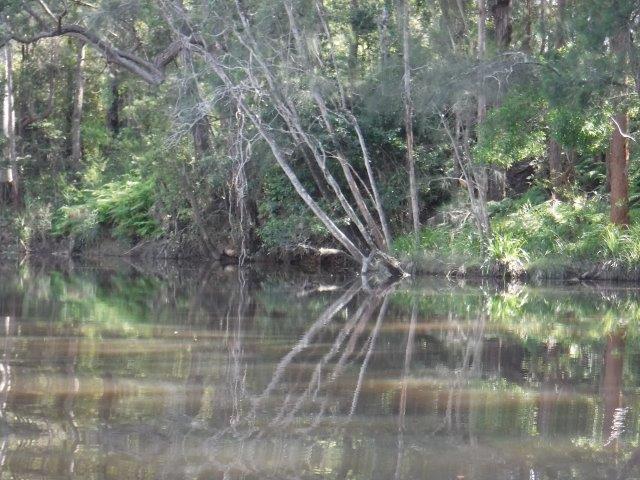
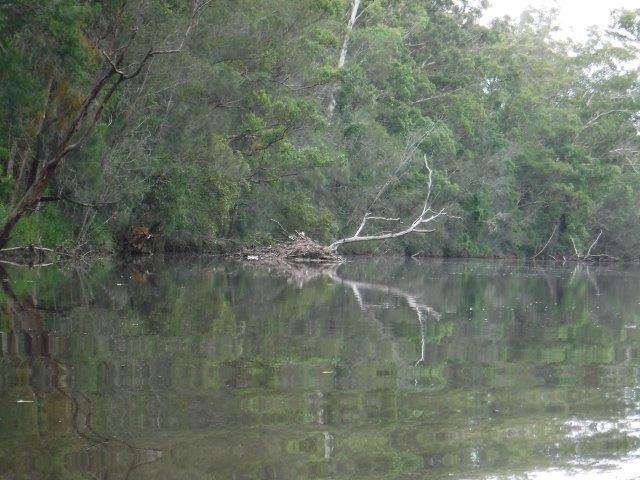
Killick Creek at Crescent Head


No Comments

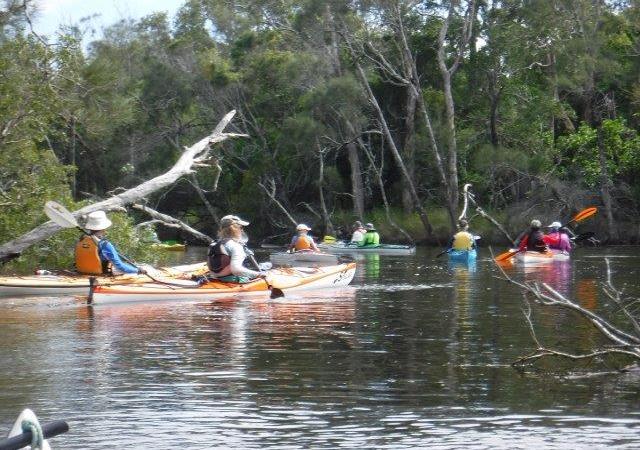
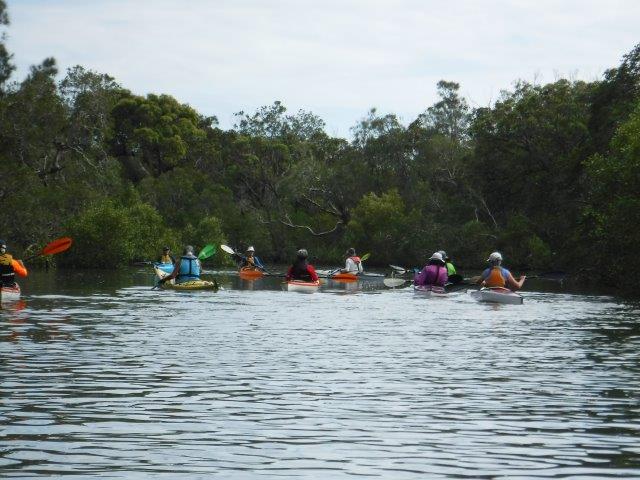
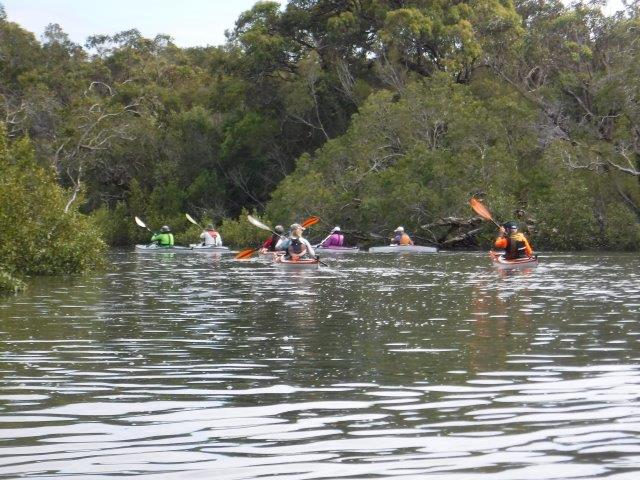
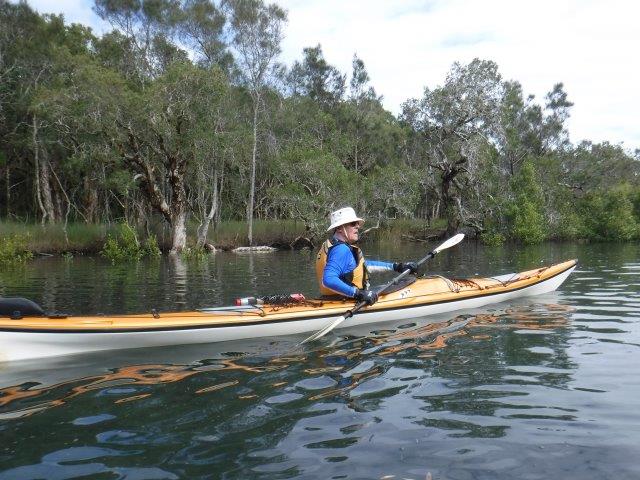
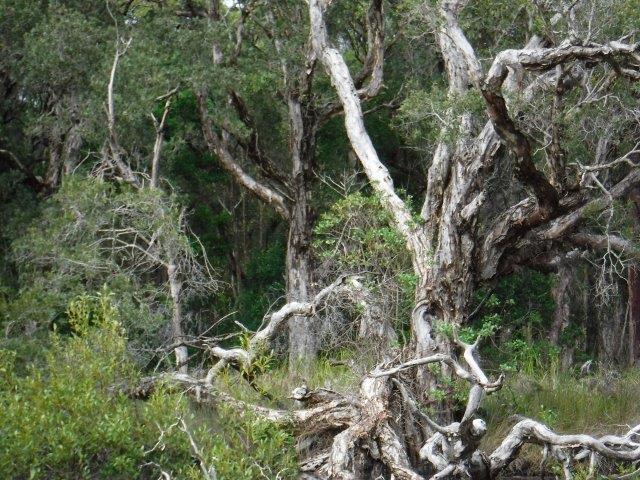
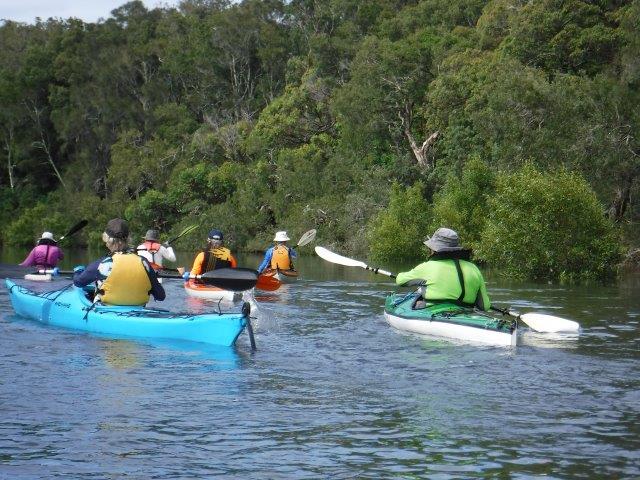
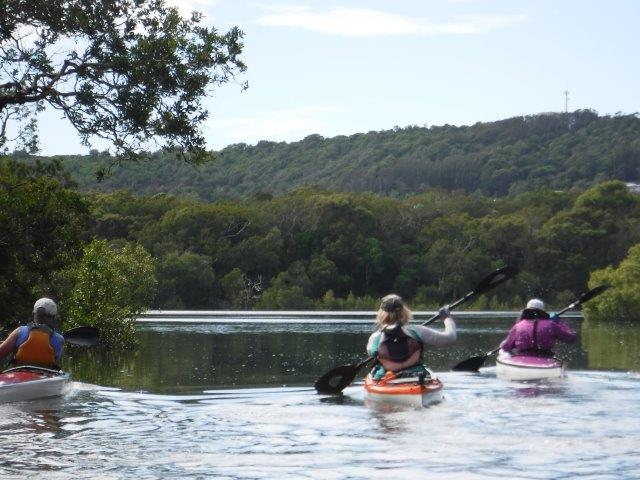
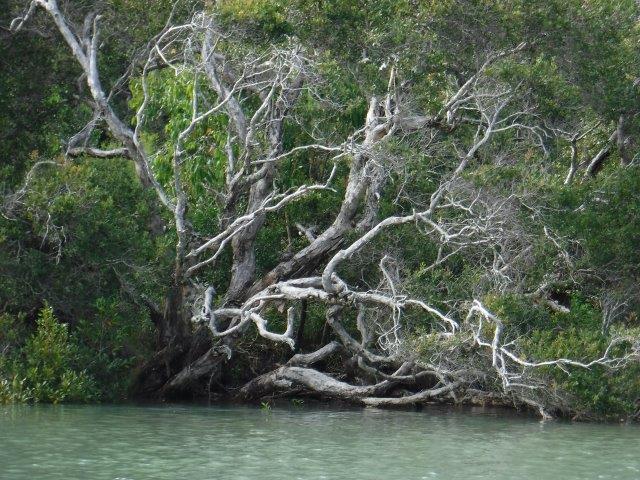
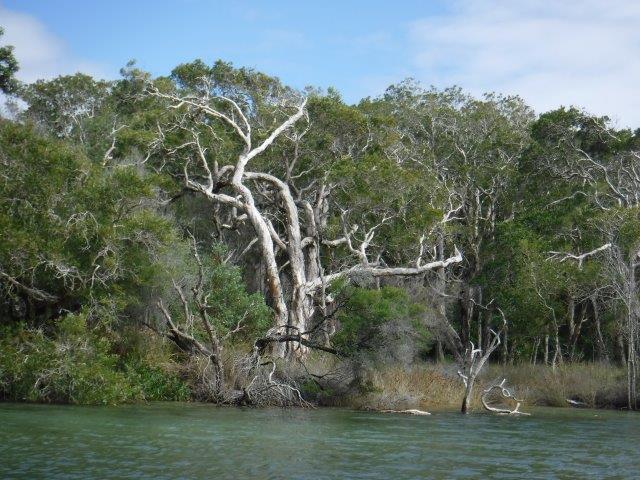
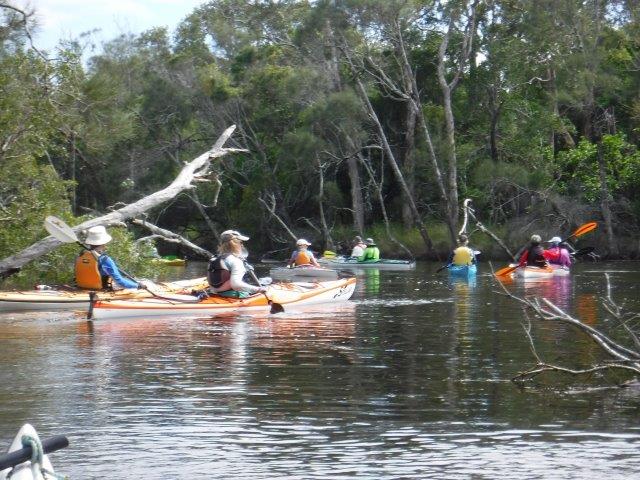
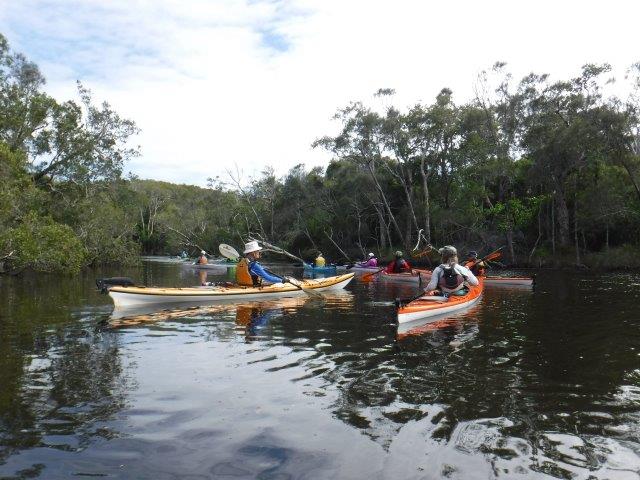
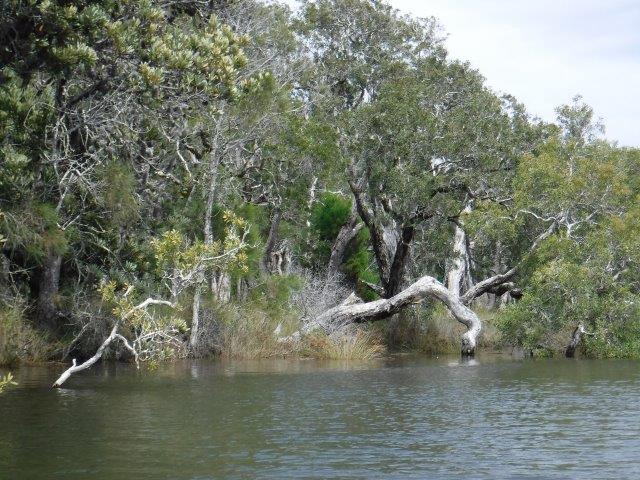
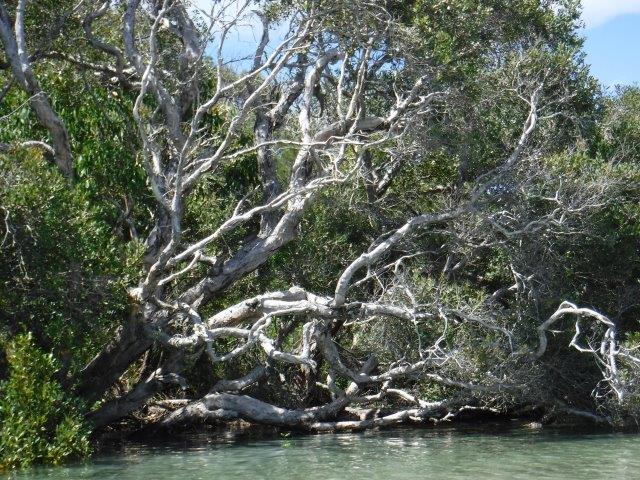
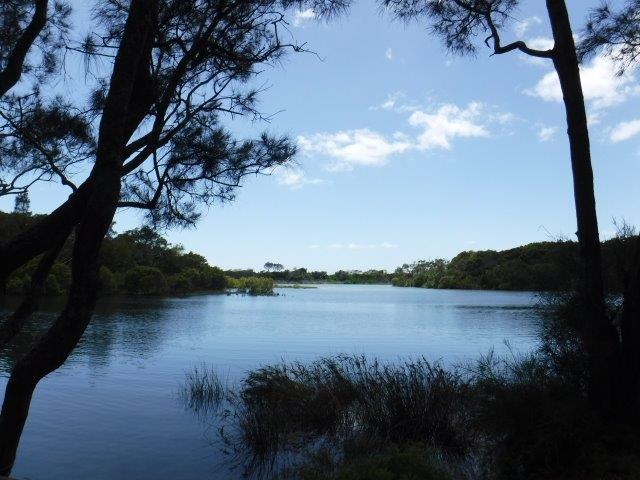
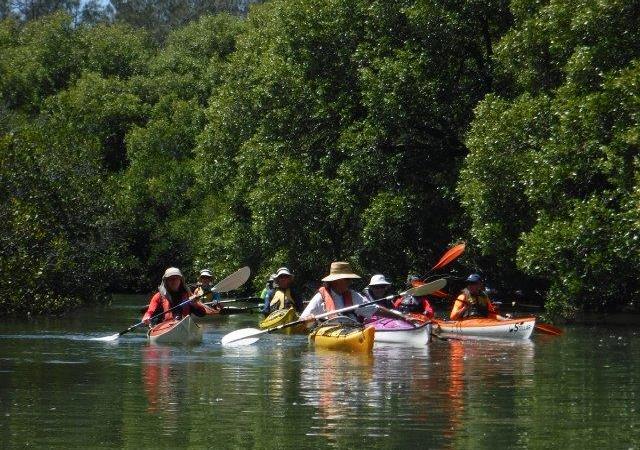
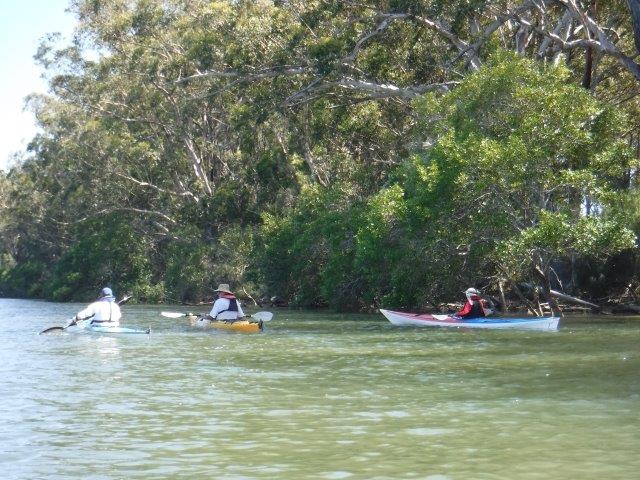
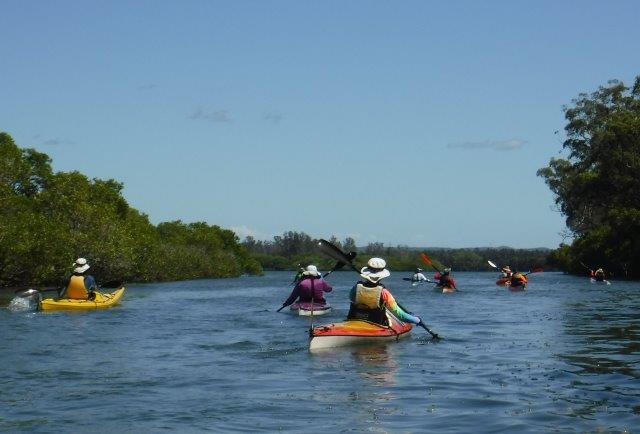
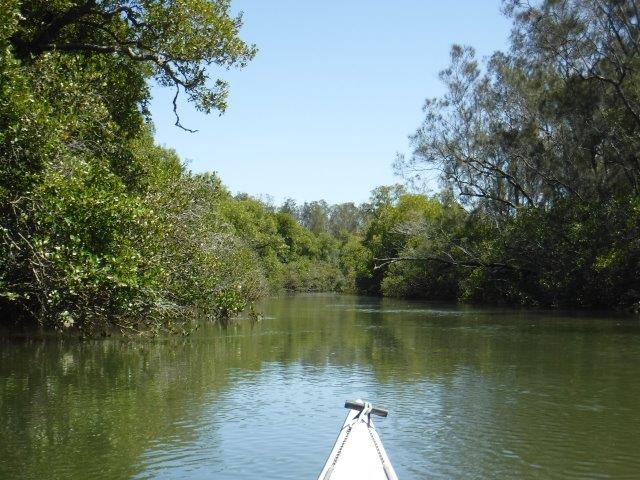
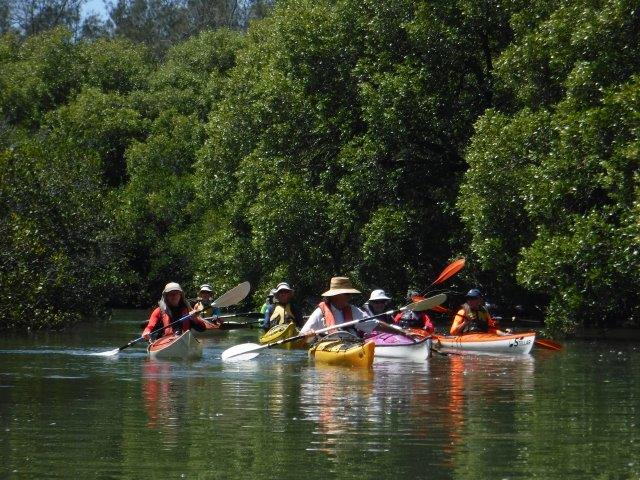
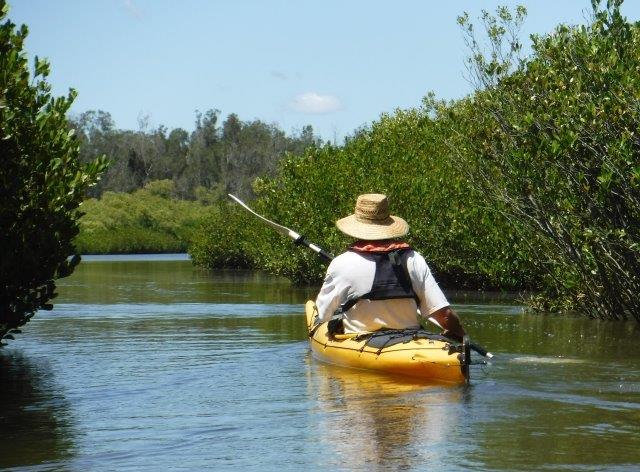
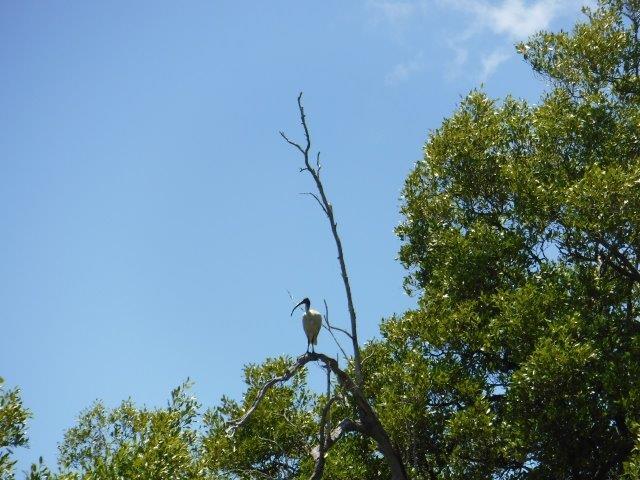
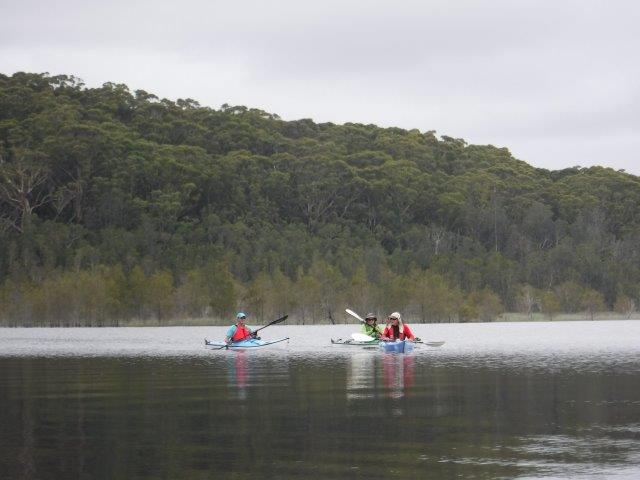
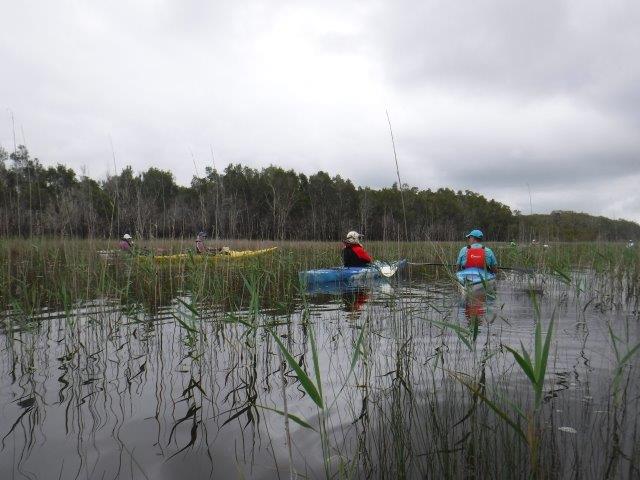
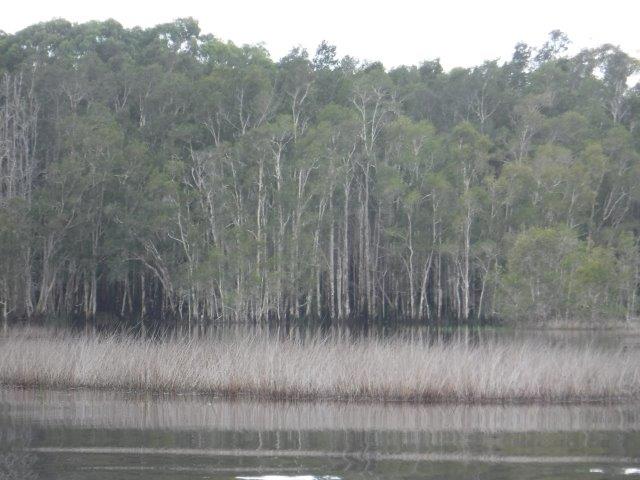
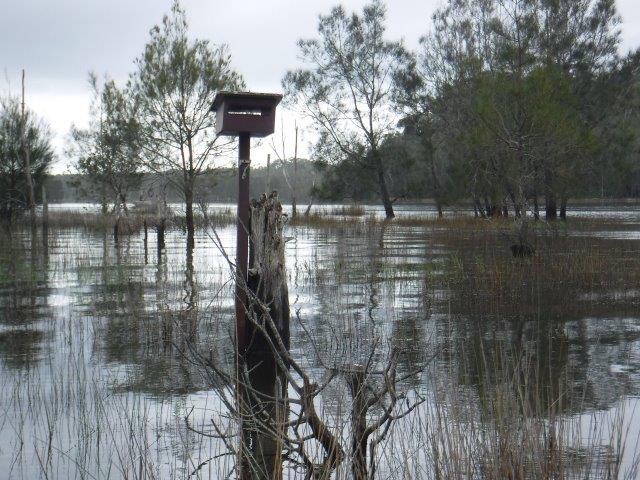
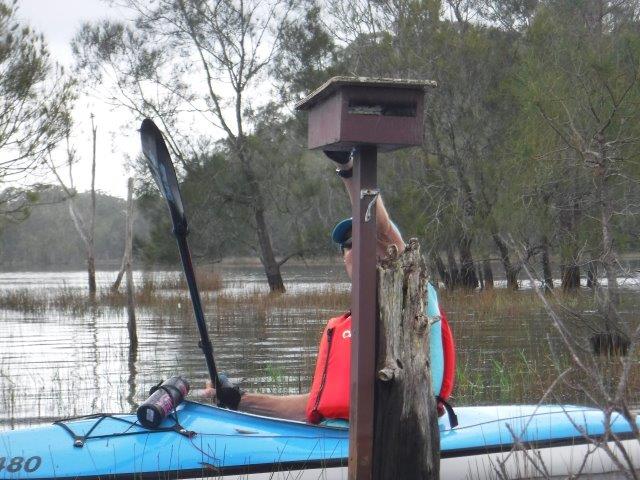
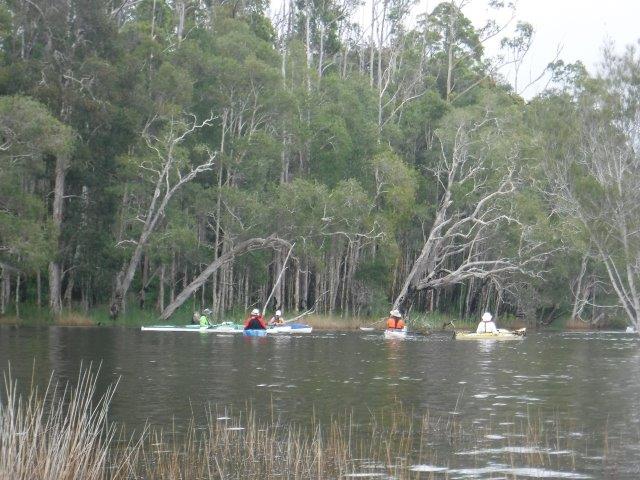
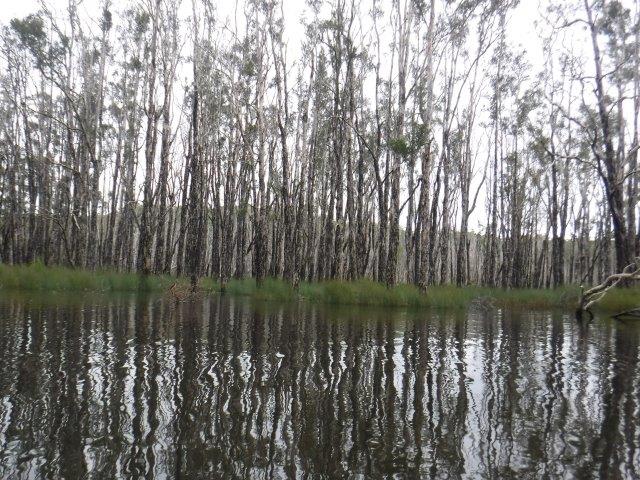
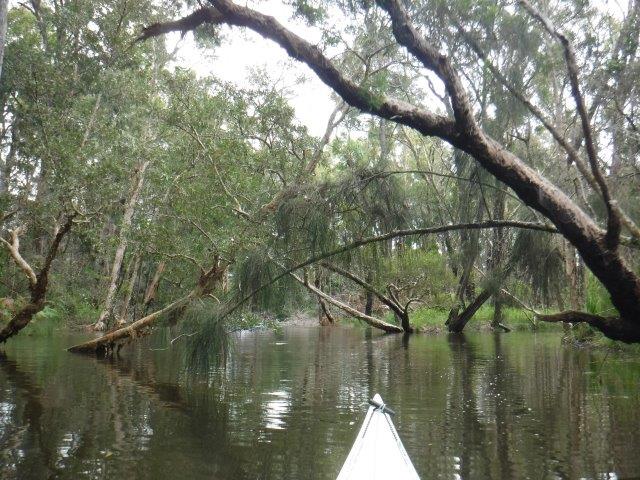
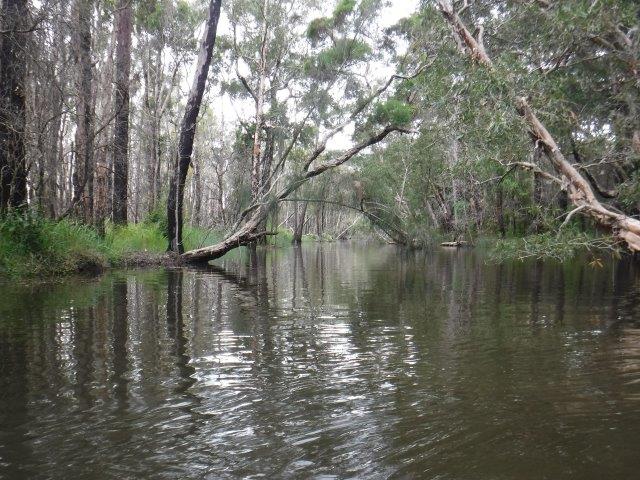
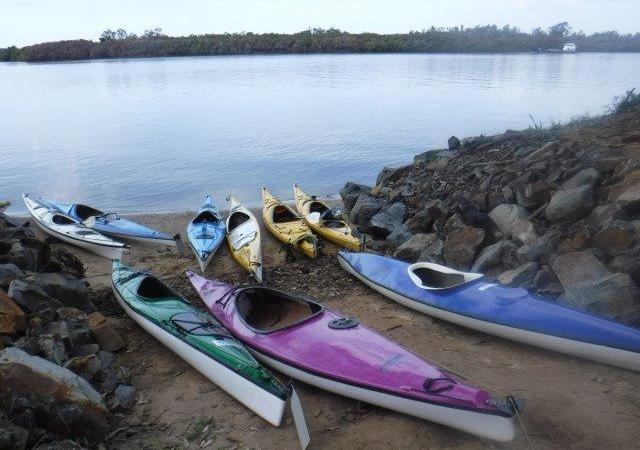
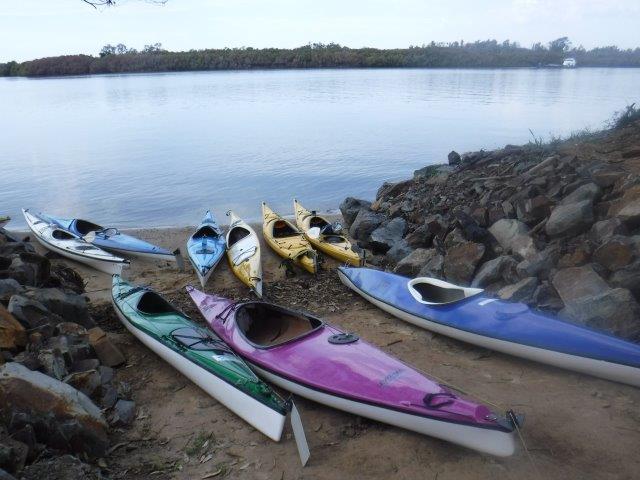
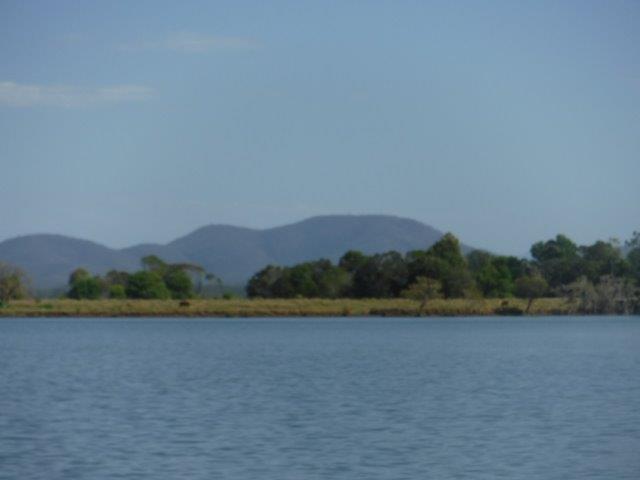
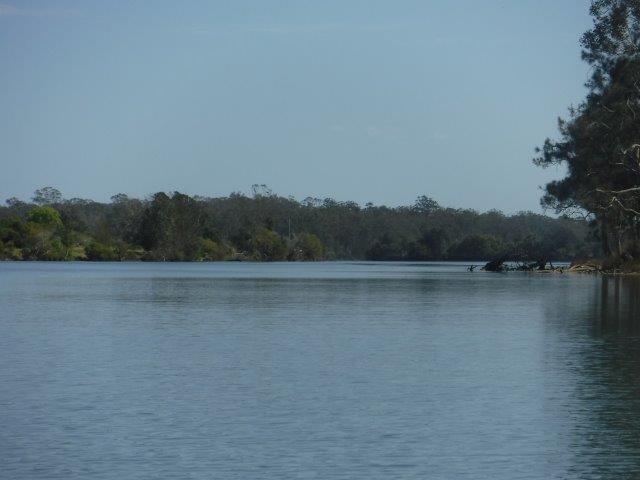
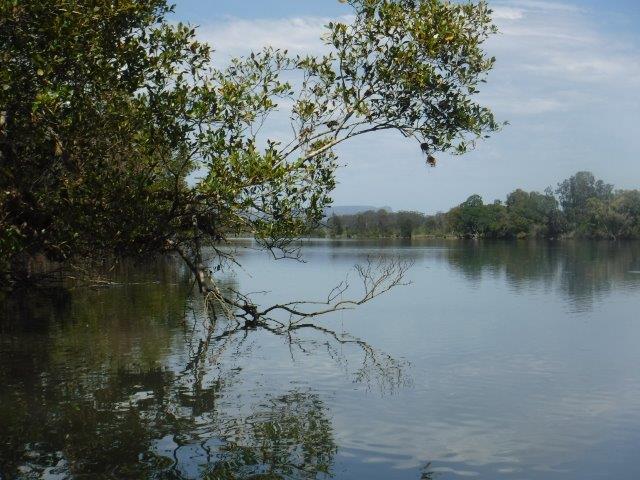
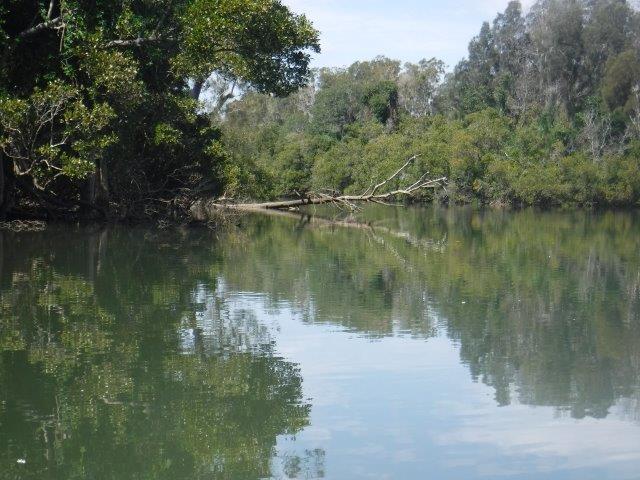
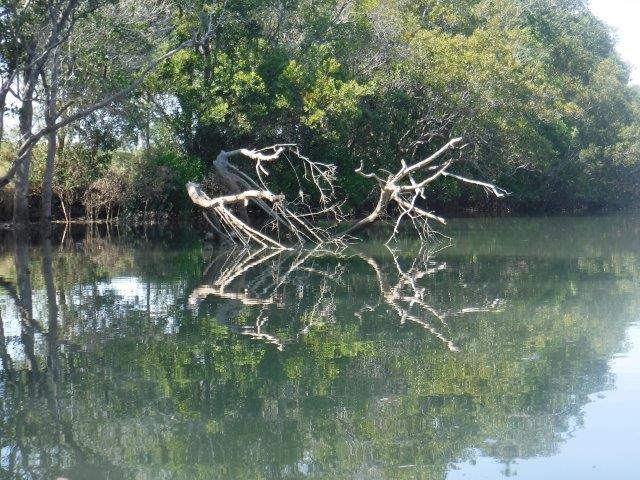
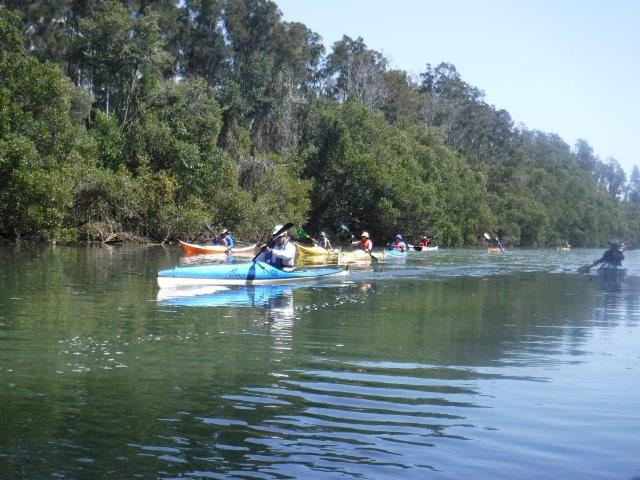
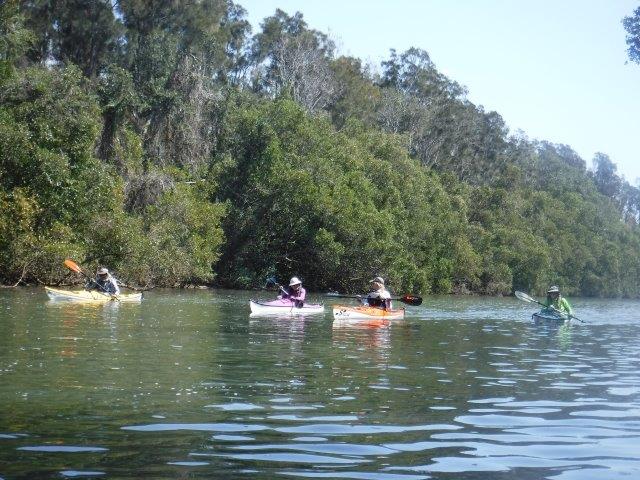
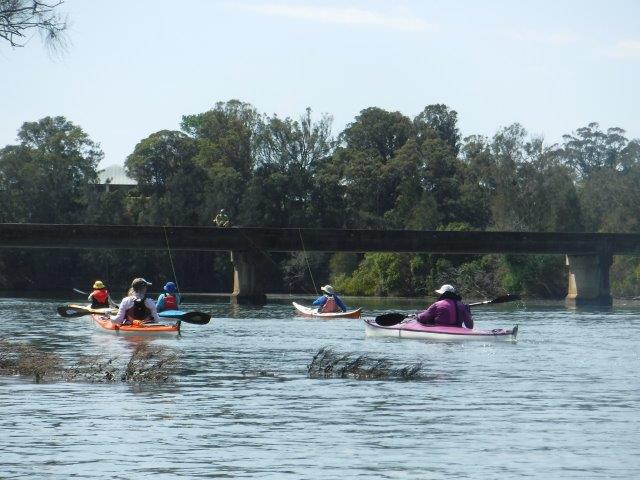
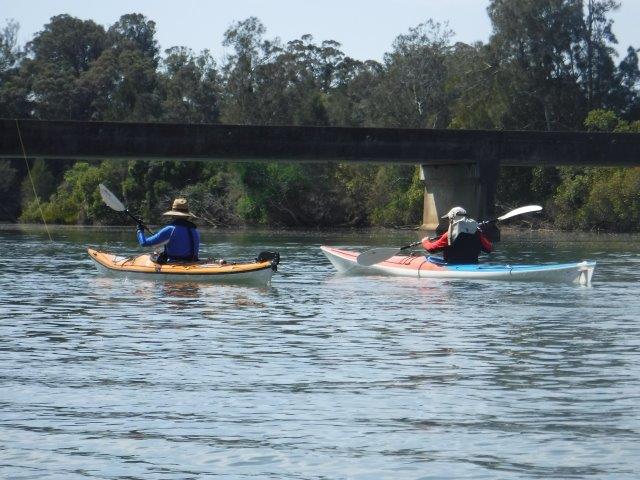
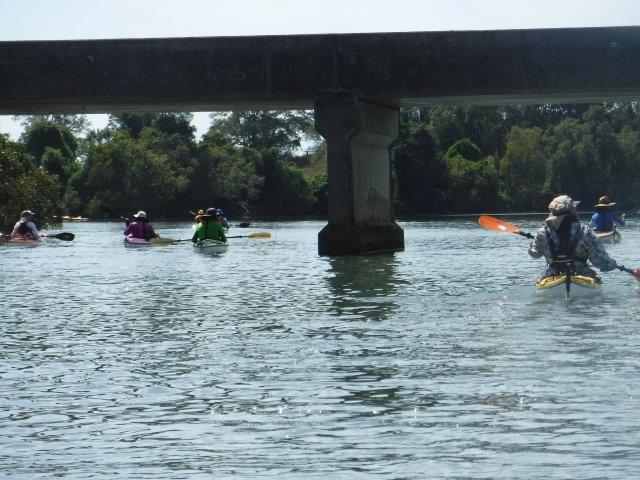
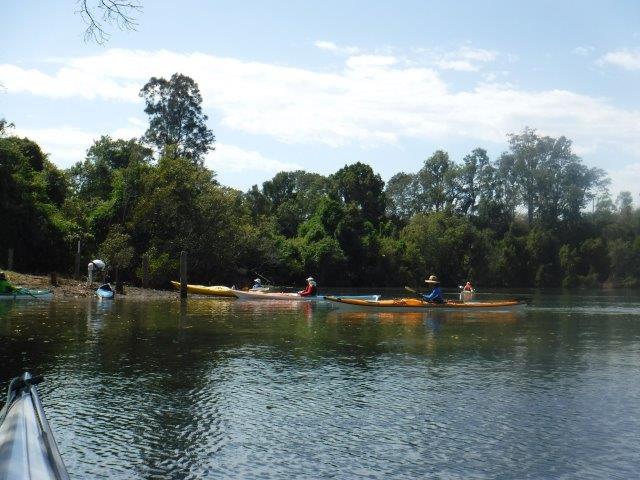
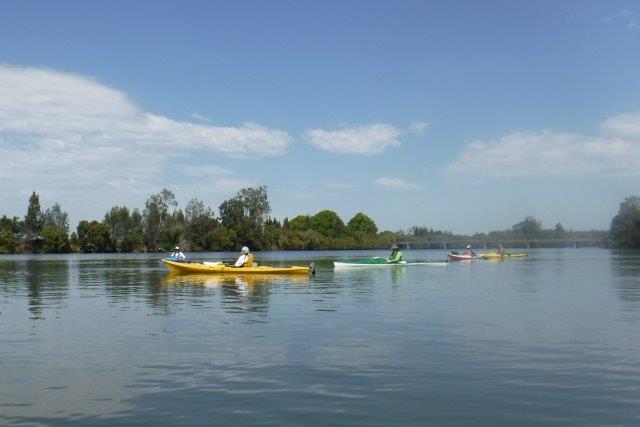
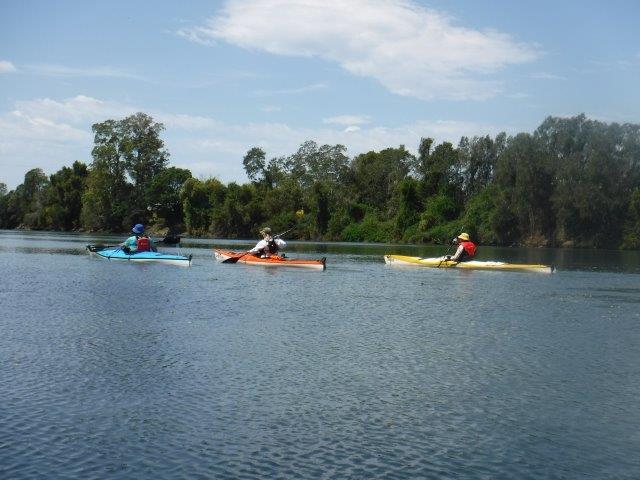
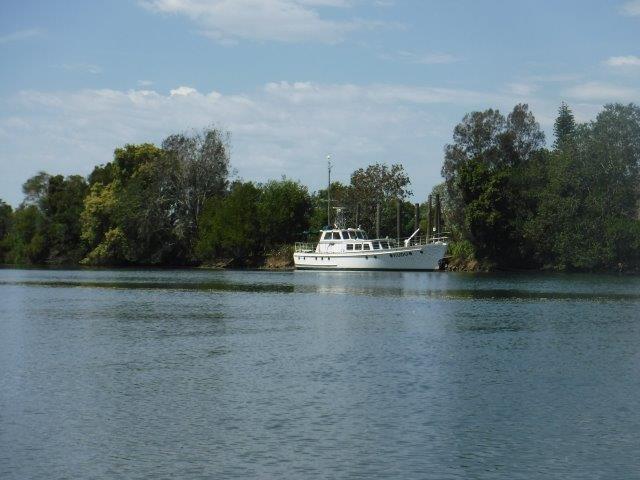
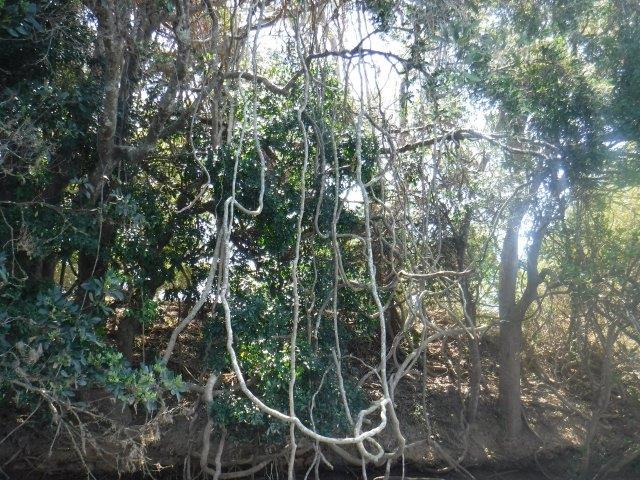
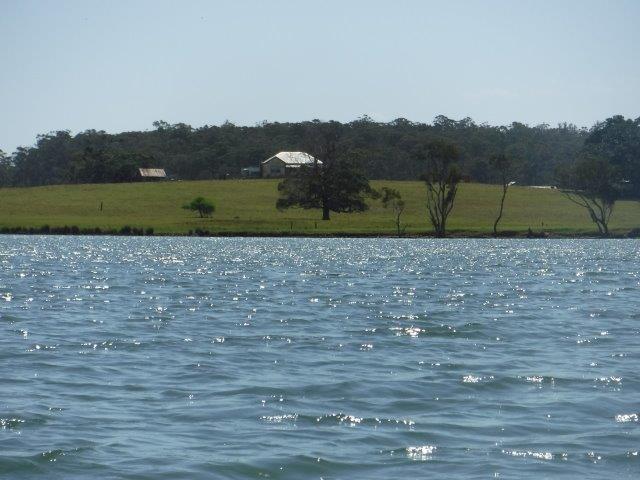
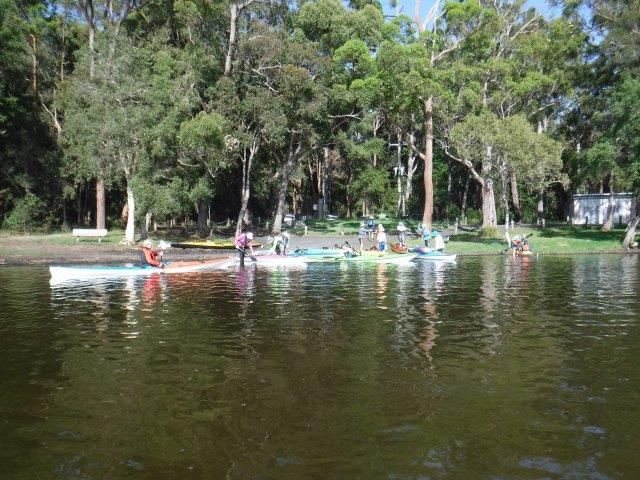
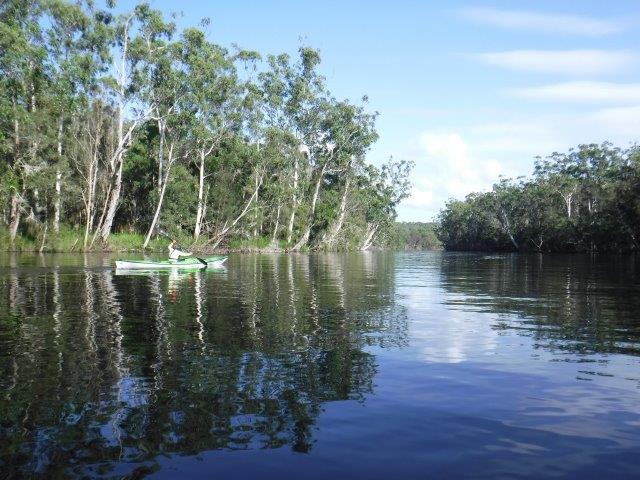
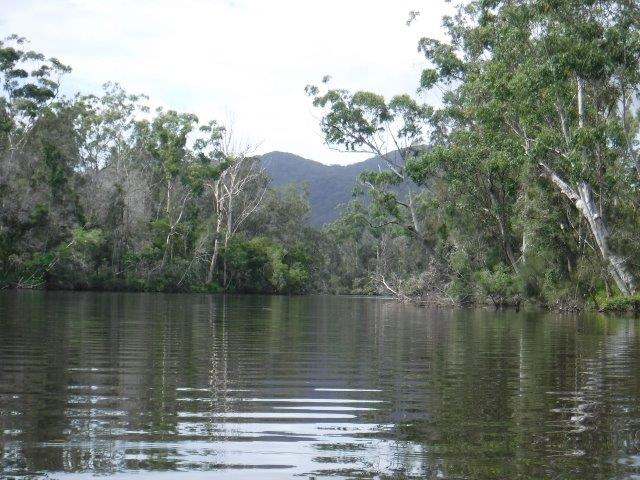
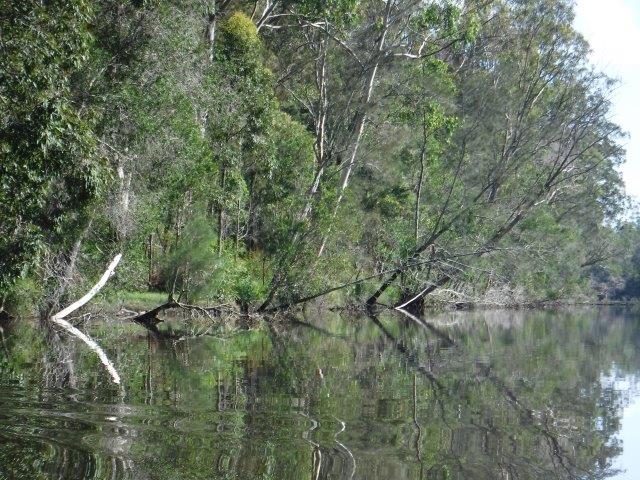
Some photos from our last Sunday paddle on the always lovely Killick Creek at Crescent Head. Best known for its magnificent old melaleuca trees.

Great to see Stephen & Greg back paddling again. 

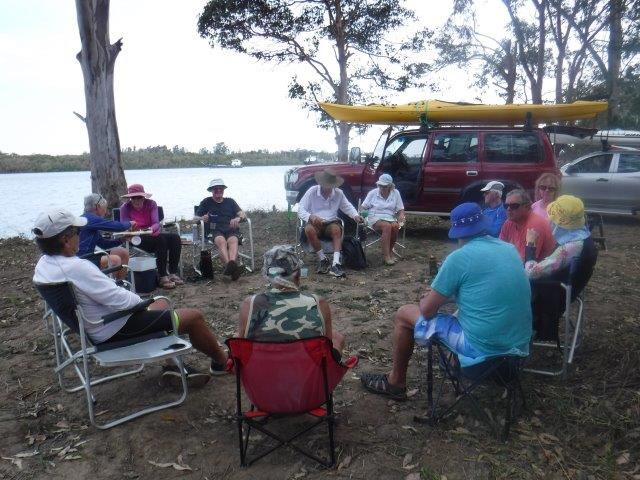
Thanks to Leon for leading & Kate for the delicious slice which we enjoyed with lunch.

– Caroline

Blog

Maria River


No Comments

Hi everyone,


Ten of us – Bruce & Jane, Leon & Kate, Barry & Maree, Ken, Colin, Julie Ho, Bill & myself enjoyed a pleasant (approx.. 15 kms) paddle up the Maria River last Sunday. We set out accompanied by dolphins; it is always heart-warming to watch their lithe, slick bodies arc smoothly out of the water within metres of your kayak. The weather was fine & we needed the welcome NE wind as it got warm quite quickly. We crossed the river & paddled up the back channel where I spotted a huge sea eagle gliding just above the tree line. We then crossed over into one of the lagoons before heading up to the anabranch between Boomerang Island and the mainland where a large mangrove has come down. We then paddled up & into the lovely top lagoon before pulling over for a morning tea/rest break. Bill & Ken elected to paddle on to Big Log & caught up with us as we finished our break & headed back to Blackmans Point. Thanks everyone for joining us & to Bill for leading.


Blackmans Point has a troubled legacy. Although the three standing stones and plaque at the junction of the Hastings & Maria Rivers acknowledge the three rivers clans of the Birpai as the traditional custodians of the Hastings, Wilson-Maria & Camden Haven Rivers & all the lands in between, there is no history of the site itself. According to traditional oral/word of mouth Birpai history, and a written reference by a white settler, a massacre of Aboriginal people allegedly took place here in 1826. A short documentary film entitled “Blackmans Point Massacre” premiered in April 2021 during Port Macquarie’s Bicentennial celebrations. It featured interviews with Birpai people & P:rofessor Lyndall Ryan, the creator of the Colonial Frontier Massacre Map Project . While this alleged massacre is not yet included in the formal map, Professor Ryan is working with the Birpai people to collate more written ‘documented’ evidence such as the account from the book written by Henry Lewis Wilson (1817-1895) which outlined a bloody confrontation at Blackmans Point (The Early Days of Port Macquarie, published in 1889).
As you paddle along enjoying the riverscape, you never know (unless you are a local) what lies behind the tree line along the banks. Parts of the Maria River run parallel with the Maria River Rd. which is bounded in sections by the Maria River National Park. It is also home to tea tree plantations and a gin distillery!! 


The first plantation in the Maria River Plantation Group was established in 1994. Since then more have been established and there are five between Port Macquarie & Lismore. The plantations have an agricultural base of livestock with the key focus being on the production, research & development of various essential oils for wholesale distribution for application in the personal health and animal care industries. There are approx. 600 ha of tea tree plantations & the Group believes it is currently the single largest producing plantation in the world. The various sites are the Maria River Plantation, Limeburners Plantation, Heritage Farms & a site at Woodburn. The combined tea tree oil production of the sites is estimated to range between 70,000kgs to 100,000 kgs per annum, depending on the season. They also produce 1,000 kgs of lemon scented tea tree. The Heritage Farms Plantation is only 500 metres from the Settlement Point Ferry, just before you drive over the Limeburners Creek bridge.


And now, the gin distillery. According to the distillery, when it first got its licence it was one of only seven distilleries in NSW fermenting its own alcohol. This allows them to individualise their product. They produce Dry Gin and Botanical Gin. The latter requires a blending of two to three batches of Maria River Distillery (MRD) Botanical Gin to improve the flavour consistency. The botanicals are added in the final distillation process via vapour infusion. The Dry Gin has 5-6 ingredients while the Botanical Gin has 22, a lot of which are grown on the farm which also has a vineyard. In another interesting twist, alcohol is fermented from sugar and the first sugar cane planted in Australia was in Port Macquarie. It is thought the first stills were in the area around where the Hibbard ferry is now located!! Apparently the first Verdelhos were planted in Port Macquarie.


Information courtesy of North Shore Progress Association October & November 2022 newsletters & Maria River Plantation Group fact sheet.


Cheers
Caroline

Blog

Lake Cathie


No Comments

Hi everyone,
These are photos from Leon’s paddle around Lake Cathie a few weeks ago.
Sorry they are late but in the intervening period my computer died & went to cyber heaven & I am still getting used to my new version!!
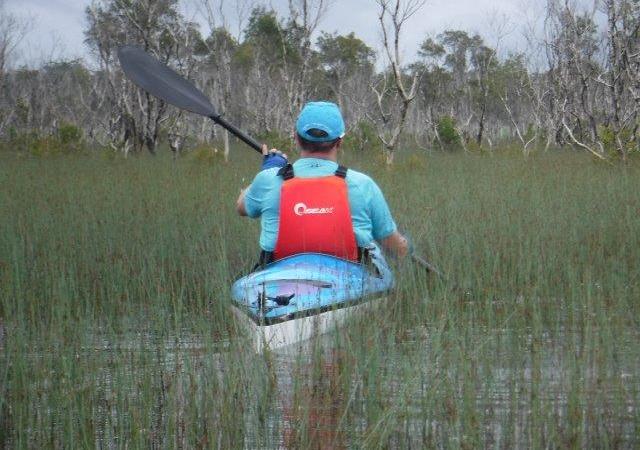
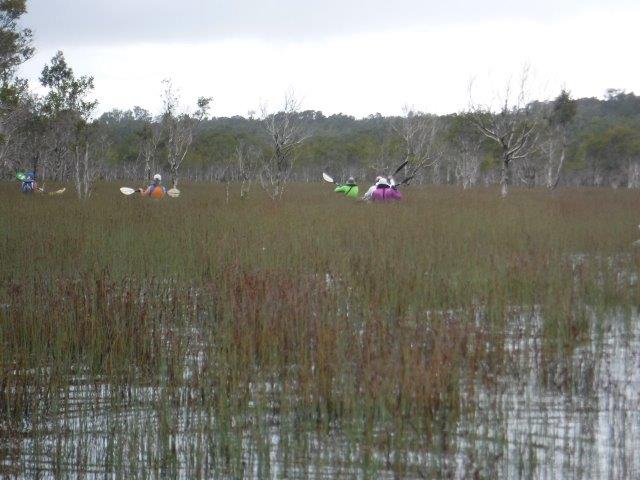
This was a fantastic paddle as the lake was full & blocked off & Leon took us through the long grasses and melaleucas on the far reaches of Lake Cathie.
After navigating our way through the grasses, which was fascinating, we went back out in Cathie Creek where some of us headed towards Lake Innes. Bill & I elected to paddle up the lovely side creek & were not disappointed.
Paddling through the grasses is quite an experience & you have to keep up or risk becoming lost in a very short space of time. With the height of the grasses you Had to keep an eye out for the blades of the paddles of those out front as they were often the only things to guide you through!!
Thanks Leon
Cheers
Caroline                                

Blog

Little Rawdon Island from Blackmans Point


No Comments

Hi everyone,


How welcome is that lovely rain!!! Hard to believe that things had become so dry when you think back to the floods earlier in the year.


We had 15 starters for our Sunday paddle around Little Rawdon Island from Blackmans Point. The day was warming up by the time we hit the water and it was a welcome relief to feel the wind when it got up on our way back. Luckily it was not strong ( as we have experienced it up in this area of the river ) but it was cooling.


There are always some lovely vistas to enjoy on this paddle; wide expanses of river with the distant hills as a backdrop, in particular Mt. Cairncross ( see photo ), the occasional old farmhouse making for a picturesque rural scene along with glimpses of farming land behind corridors of trees. One of my favourite scenes is that of the ” lone angler” fishing from Little Rawdon Island Bridge.  There always seems to be someone casting a line or two from the bridge when we do this paddle. We enjoyed a pleasant paddle, with a brief stop at the old ramp on the Galloway’s property on Little Rawdon Isl. The wind started to get up on the return paddle but was not a problem; it was actually cooling on what turned out to be a hot day. Back at McMillan Drive we enjoyed a picnic lunch topped off with a beautiful cake baked by Kate to acknowledge Leon’s recent birthday.


On May 12, 1819 while conducting a survey of the Hastings River (Dhoongang), Lieutenant King and Surveyor-General John Oxley landed on Little Rawdon Island where King recorded they had lovely views of a round topped hill (Mt. Cairncross) which was a dominant feature on the western skyline. The Aboriginal name for the  mountain is said to be COOLAPATAMBA or COULAHPATAMBAH, translated as ‘a place where eagles drink’. It is often referred to as the ‘sleeping elephant’ due to its shape. (Info. From the Elephant Trail Race and Manning River Times). Where the name Cairncross came from is the subject of conjecture.


The European names of Rawdon Island ( & Little Rawdon Island) refer to Francis Rawdon Hastings, the first Marquis/Marquess of Hastings. He was an Anglo-Irish politician and military officer, Governor-General of India between 1813 and 1823 and served with the British forces during the American Revolutionary War. He took the additional surname of Hastings in 1790 in compliance with the will of his maternal uncle, Francis Hastings, the 10th Earl of Huntingdon. (A marquis is described as a member of the British peerage ranking below a duke and above an earl).


Both Rawdon & Little Rawdon Islands have always been farming communities. The first school on Rawdon Isl. was opened in 1876 and remained open for 100 years, closing in 1976. The lovely old building is now a function centre. Rawdon Island also boasted a football club. Rugby union was first played in the Hastings area from 1891 until 1920 when the code changed to Rugby League. In 1931 the team from Rawdon Island won the 2nd grade competition, beating the Port Macquarie B team. Between 1928 -32, three grades made up the Hastings District Rugby League. Teams from Hamilton, Byabarra, Long Flat, Telegraph Point and Rawdon Island competed against the stronger Wauchope, Beechwood and Port Macquarie clubs. In 1933 the league carried a motion that ended lower grade competitions leaving only 6 teams to contest the 1st grade. At this point the Rawdon Island footy team disbanded (Port Macquarie Historical Society records).


Blackmans Point (GOOLAWAHL) also has history. The European name is thought to relate to one James Blackman who travelled with John Oxley on his journey to Port Macquarie in 1818. The ferry that used to operate from here across the Hastings to the Fernbank Creek ramp was the vehicular transport point between Port Macquarie and areas to the north prior to the opening of the Denis Bridge in 1961.

 On a darker, sadder note, as a part of events commemorating Port Macquarie’s bicentenary earlier this year, a short documentary entitled “Blackmans Point Massacre” premiered. This film explored, through interviews, the story passed down through generations of Aboriginal oral tradition, of a massacre said to have taken place here in 1826. A plaque acknowledging Country, erected at Blackmans Point by the Port Macquarie-Hastings Council, makes no mention of the massacre. Professor Lyndall Ryan, who created the Colonial Frontier Massacre Map Project, is working with the Birpai people to collate more ‘western’ proof of a massacre. A written account of a bloody confrontation at Blackmans Point is recorded in the journal of one Henry Lewis Wilson. The Blackmans Point massacre is not yet included in the formal map and uncertainty remains about the number of people killed.  NITV’s The Point program, from which this information is sourced, also reported  that the Port Macquarie-Hastings Council was consulting with and taking direction from Birpai traditional owners on how to formally acknowledge the massacre. (The Point 8 June 2021 & SBS ) Hope this information is of interest.


Cheers
Caroline

Blog

Herons Creek off Queens Lake


No Comments

Hi everyone,


Well my computer is back on deck after some ‘long service leave’, but has handed in its notice re imminent retirement!!


I am running behind with trip results, but will catch up asap.


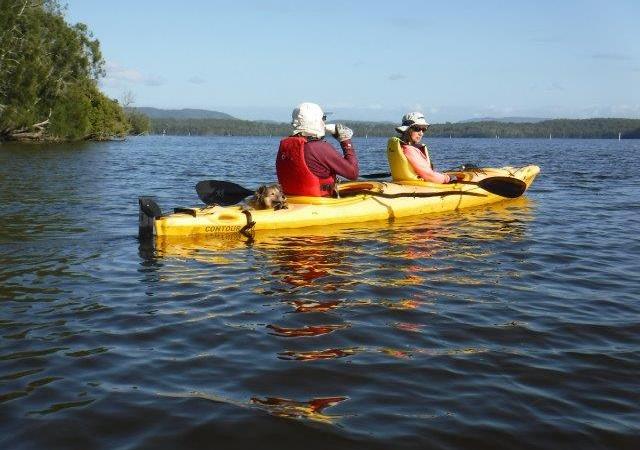
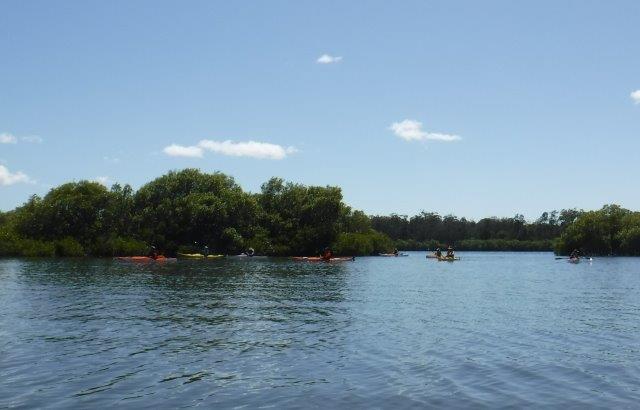
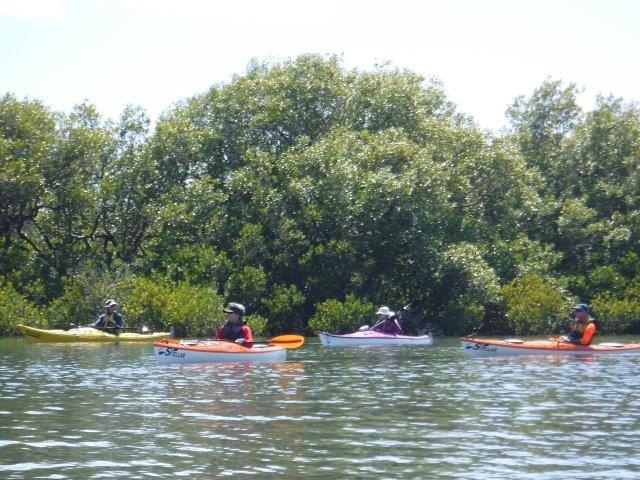
We had another lovely paddle on Sunday March 7 on Herons Creek, off Queens Lake. We changed the scheduled paddle from Limeburners & Bobs Creeks due to the poor condition of the road into the Queens Lake Nature Reserve. Herons Creek never disappoints & this day was no exception. With 18 of us, we split into two groups. The first group, led by Bill W included Queensland travellers/visitors Mike, Christine & their paddling pooch Laddie, who hunkered down in the rear hatch of their double. This group paddled to the end of the creek –  16 kms return. The second group, led by Leon, paddled for about an hour or so across the lake and into Herons Creek before retracing their journey to the sailing club & adjourning to North Haven for lunch.
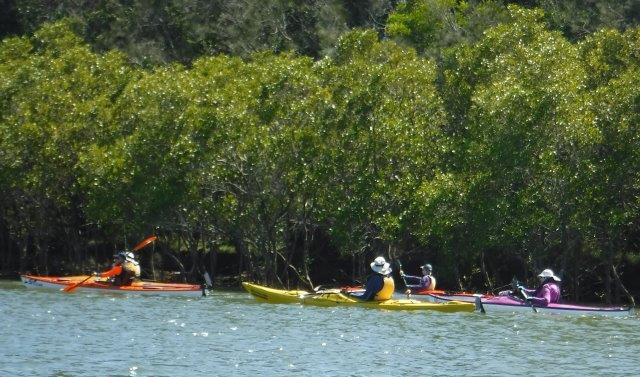

Queens Lake was calm for both crossings and Herons Creek was quiet & picturesque with that lovely sense of remoteness. Flanked on either side by towering trees, we caught glimpses of farms and houses, the vineyard and a few cleared stopping spots that looked fairly recent. It is a relaxing paddle with varied vegetation, rocky outcrops, vines, ferns, eye catching white tree trunks, reflections and vistas.


This area is the traditional land of the Birpai people. By 1822 the first Europeans in the Camden Haven area were soldiers guarding the southern entrance to Port Macquarie. By 1827 the area had been surveyed as part of a grant to the Australian Agricultural Company and by 1856 cedar was being exported through Camden Haven. Laurieton was originally known as the Village of Camden Haven. In 1872 Joseph Laurie and his two brothers moved to the area from Taree. He owned the rights to timber in the area and a timber mill ( near where the Fish Co-Op stands today ). In 1875 he became the first post master. By 1914 a new post office was built in Laurie Street and was called Laurieton by the Post Master General. In 1946 the official name change from the Village of Camden Haven to Laurieton was formalized. 


Other points of interest include  film producer Baz Luhrmann who was raised in Herons Creek township and attended school in Port Macquarie. In 1944 American entertainer Bob Hope was forced to land in the Camden Haven Inlet when his seaplane ( a Catalina Flying Boat ) experienced difficulties when returning from Guam. He and other entertainers had been touring the Pacific entertaining US troops serving in WW2. Hope and members of the group put on a show for the locals who had helped to dig the plane out of the sand spit The area is presided over by beautiful DOORAGAN (North Brother Mountain) and on a clear day the view over the Camden Haven district and its waterways is spectacular.

Thanks Leon and Bill for leading.


Cheers
Caroline