port macquarie

Blog

Big Log paddle


No Comments

Hi everyone,


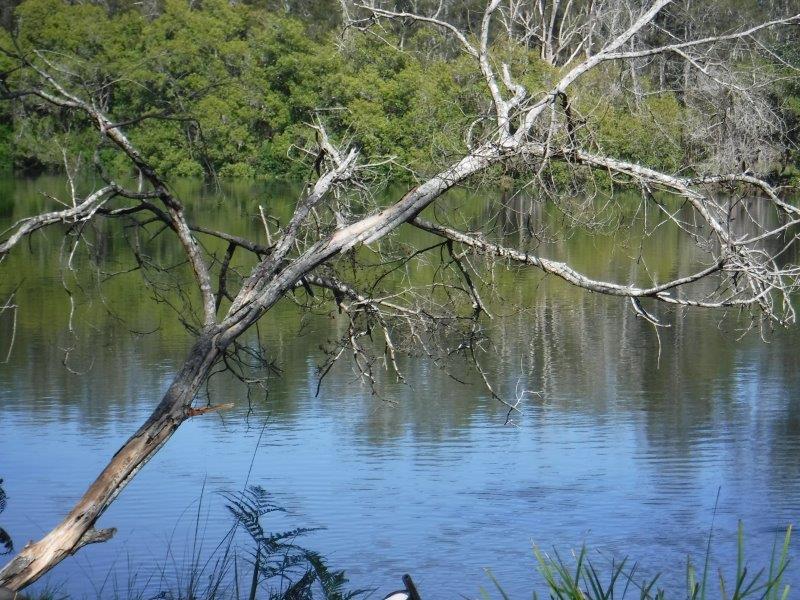
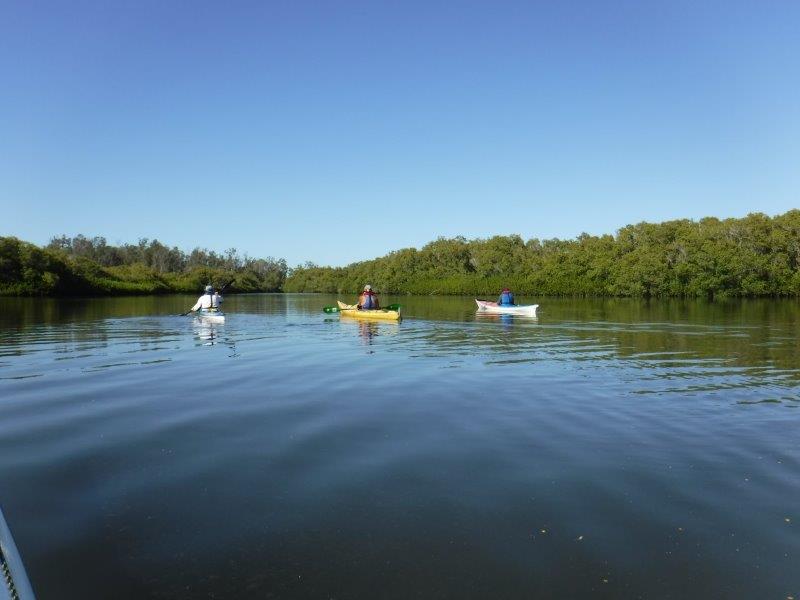
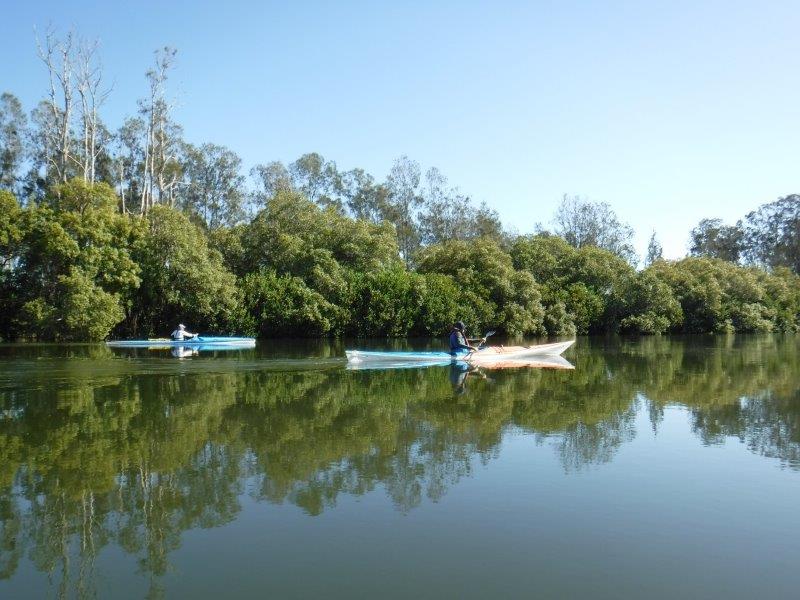
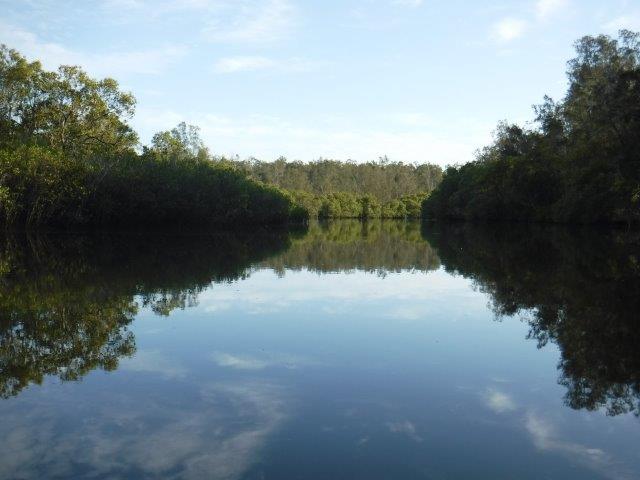
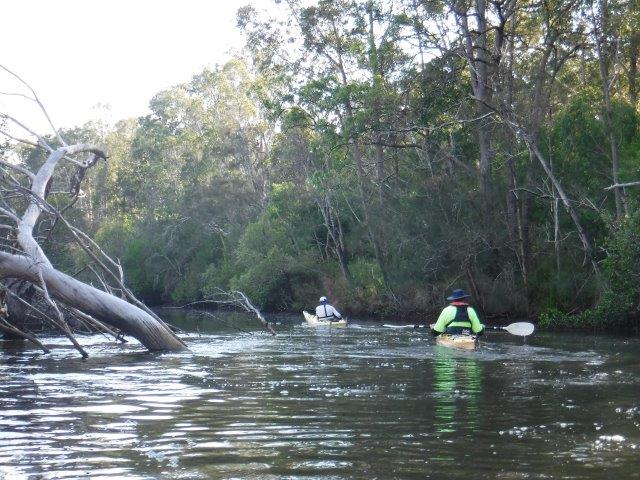
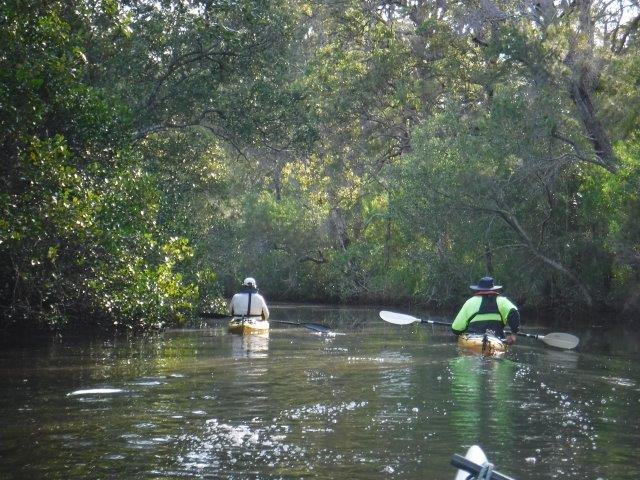
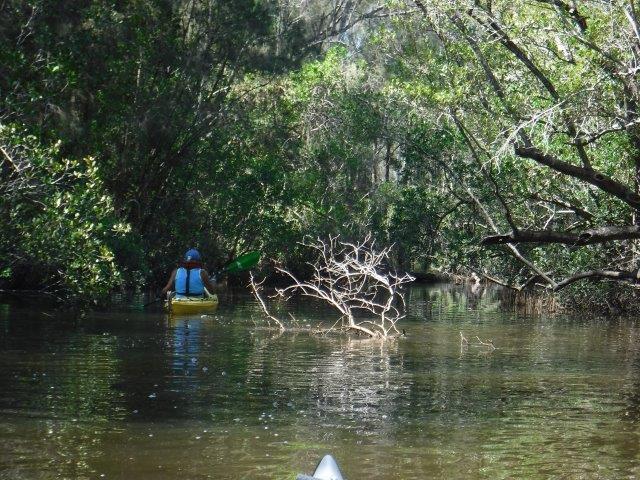
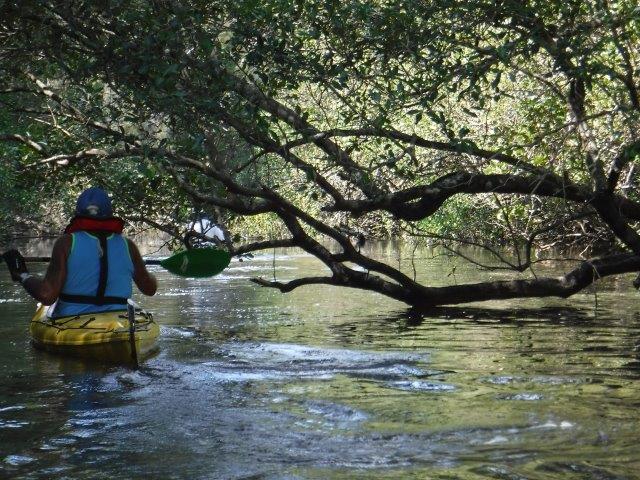
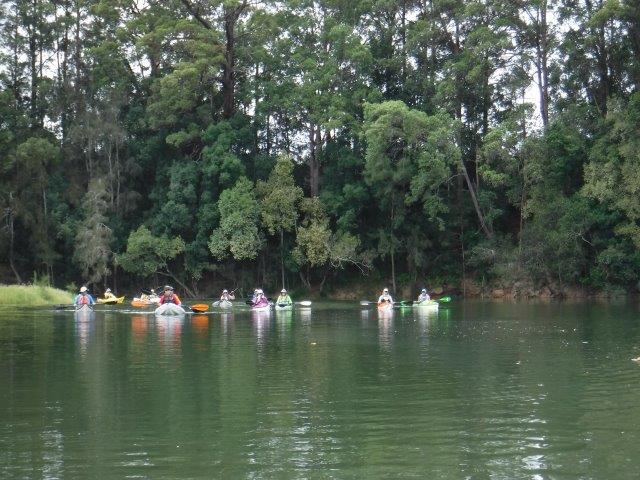
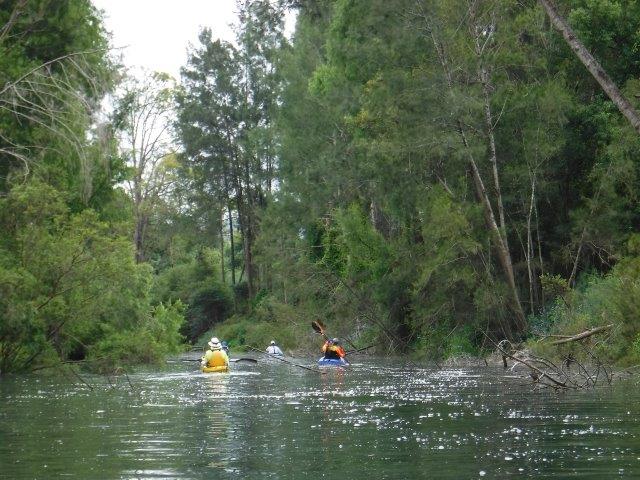
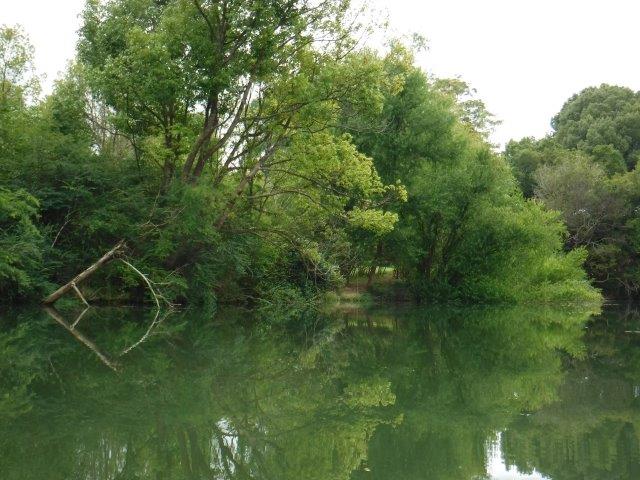
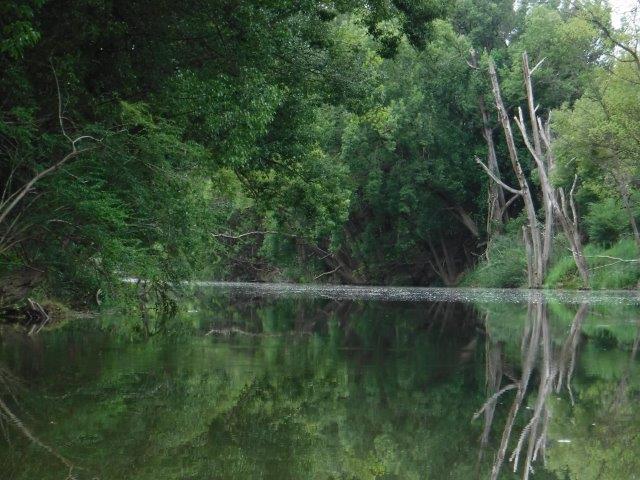
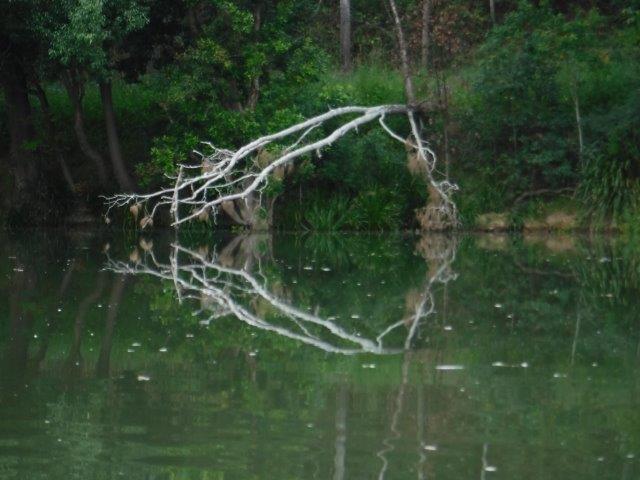
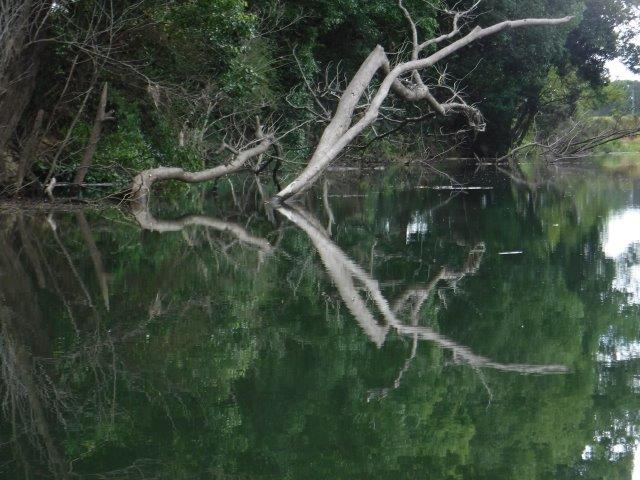
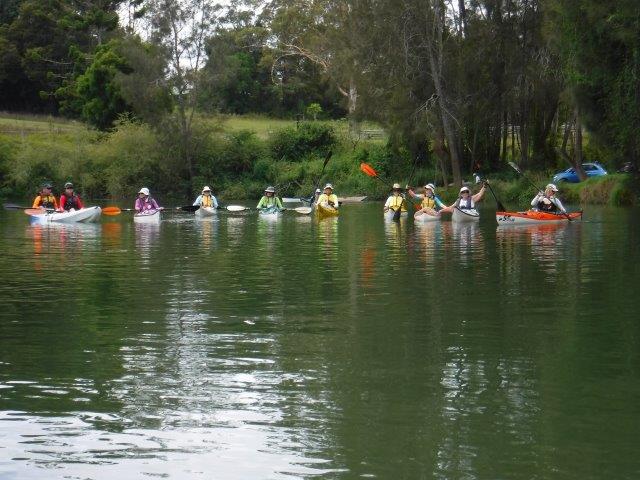
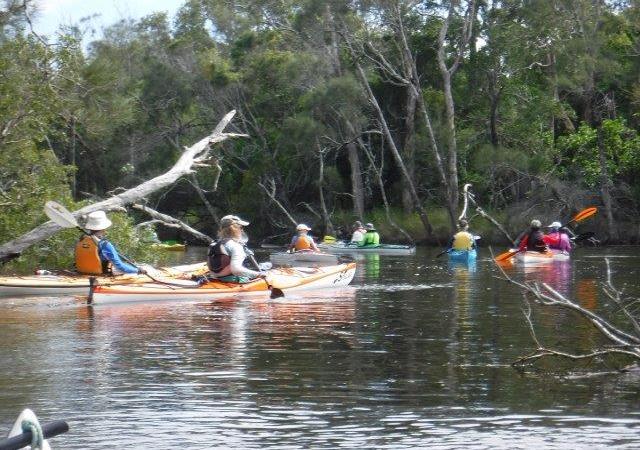
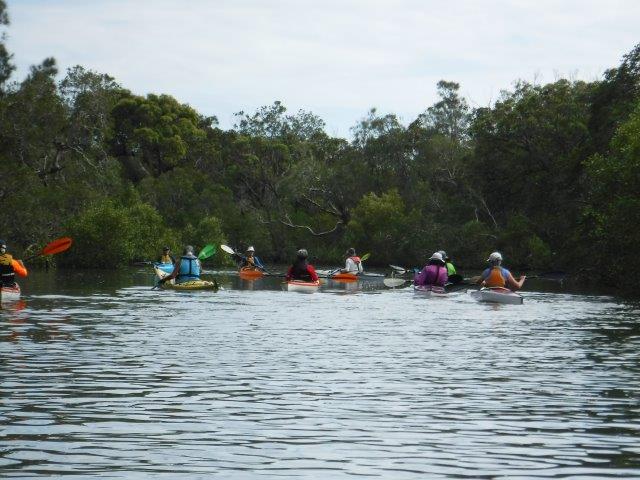
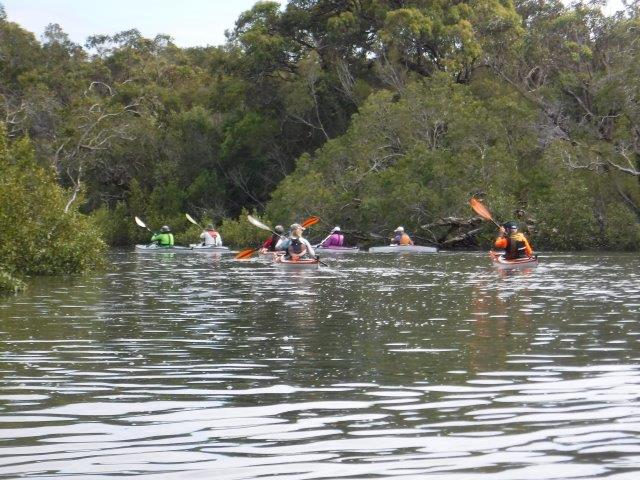
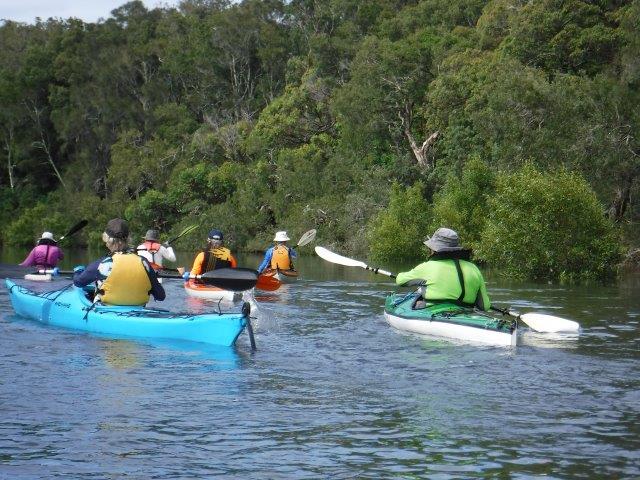
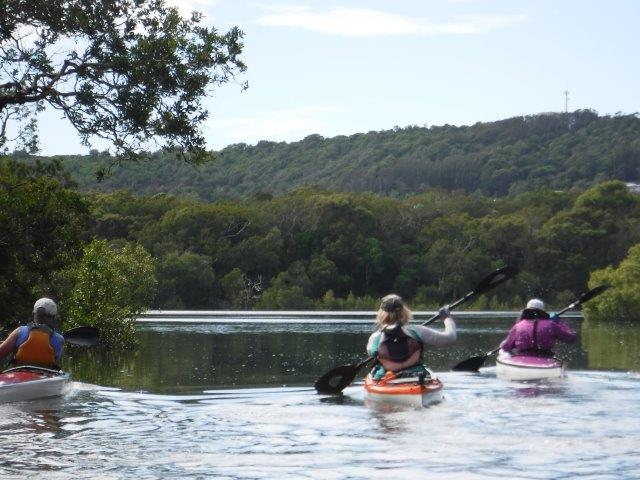
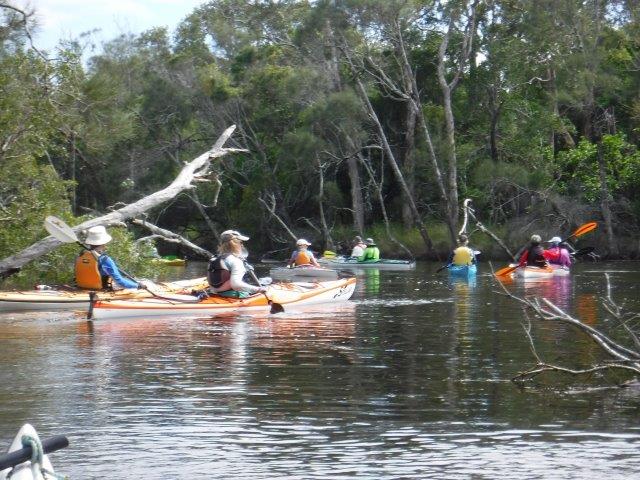
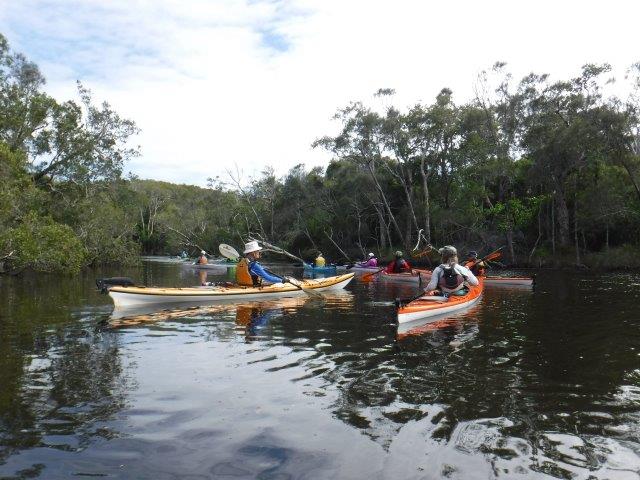
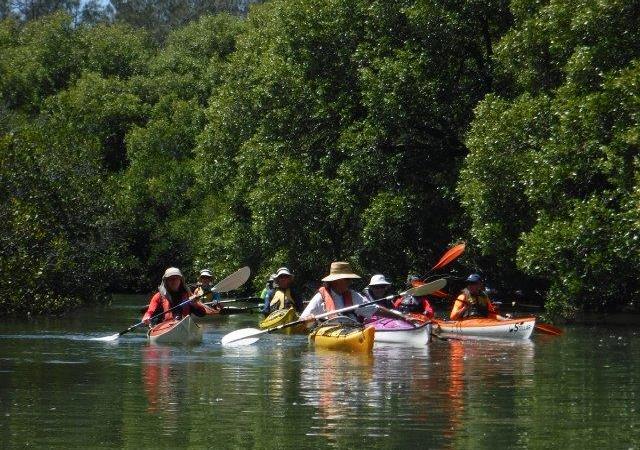
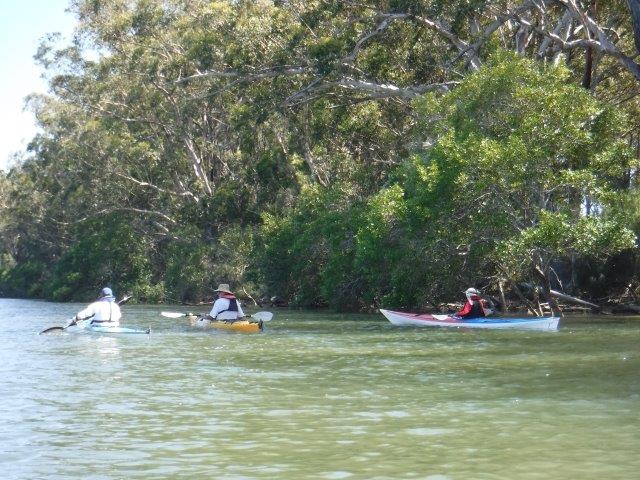
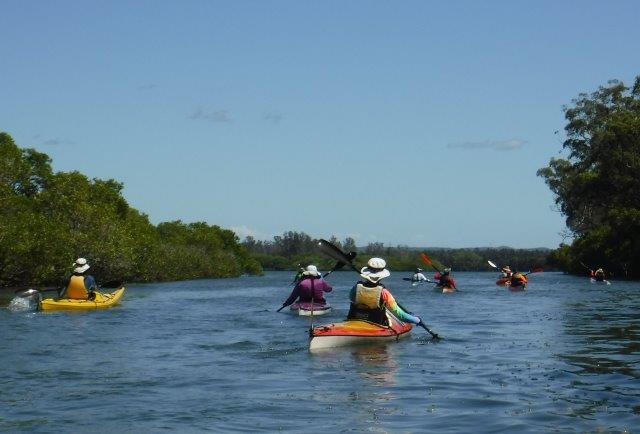
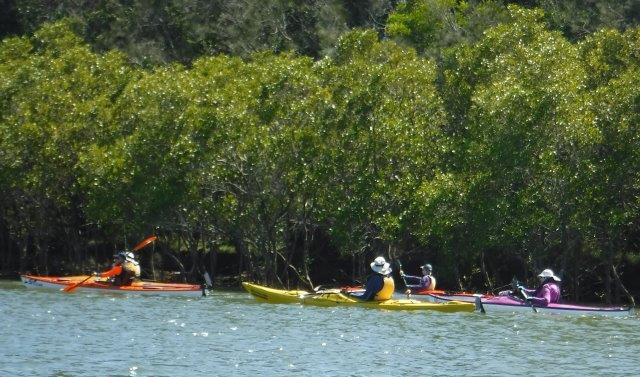
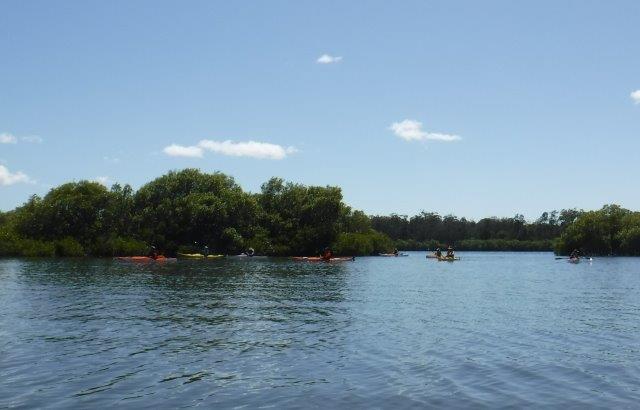
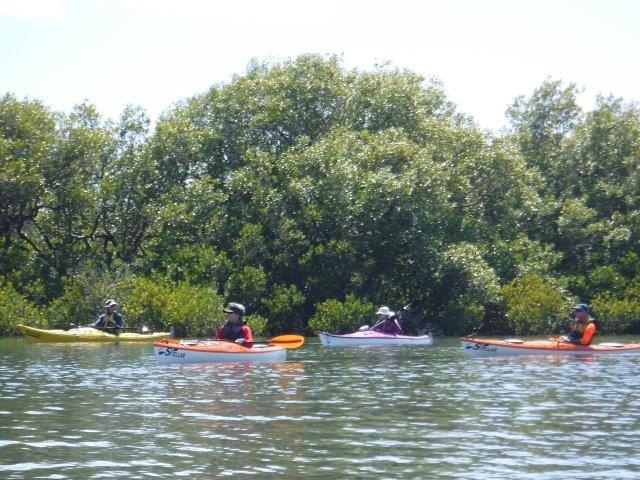
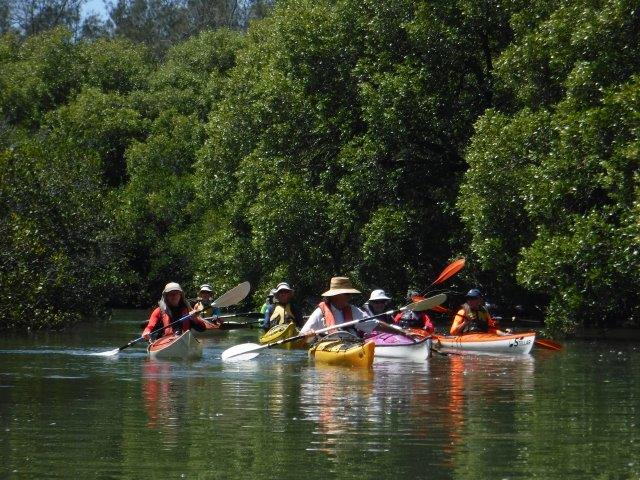
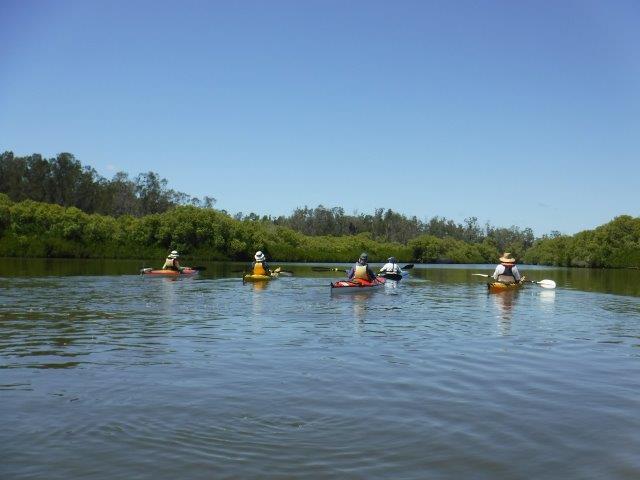
Four of us – Bill V, Colin, Bill & myself enjoyed a lovely paddle up to Big Log last Sunday and a walk through the bush to the Maria River Rd. It was beautiful on the water and we enjoyed a run in tide on the way up and caught the run out on the return trip.
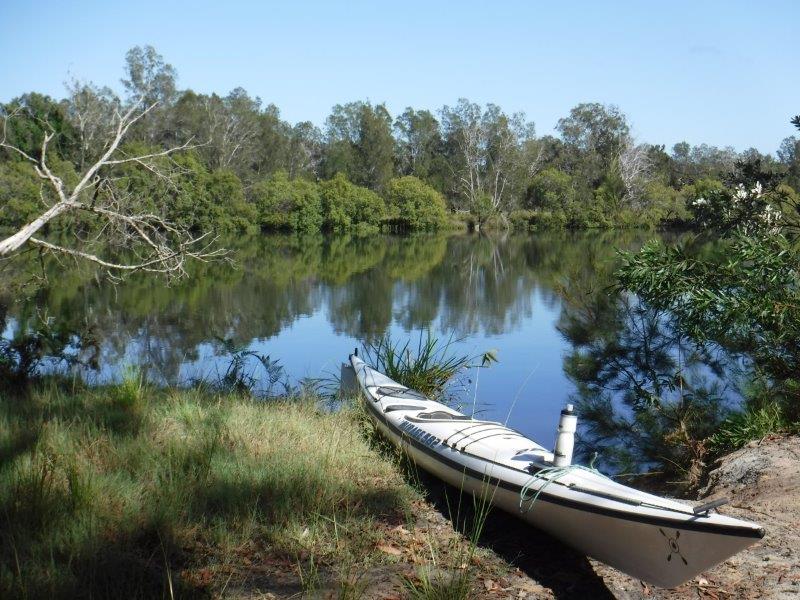
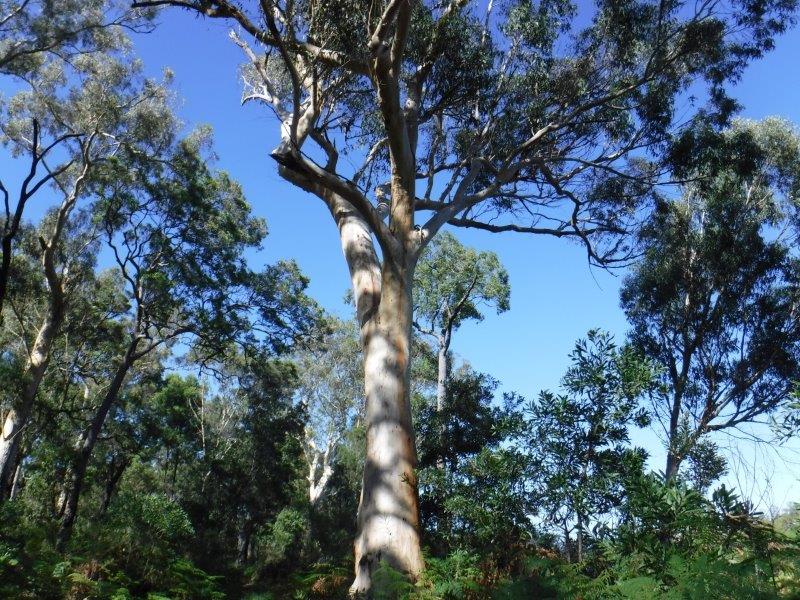
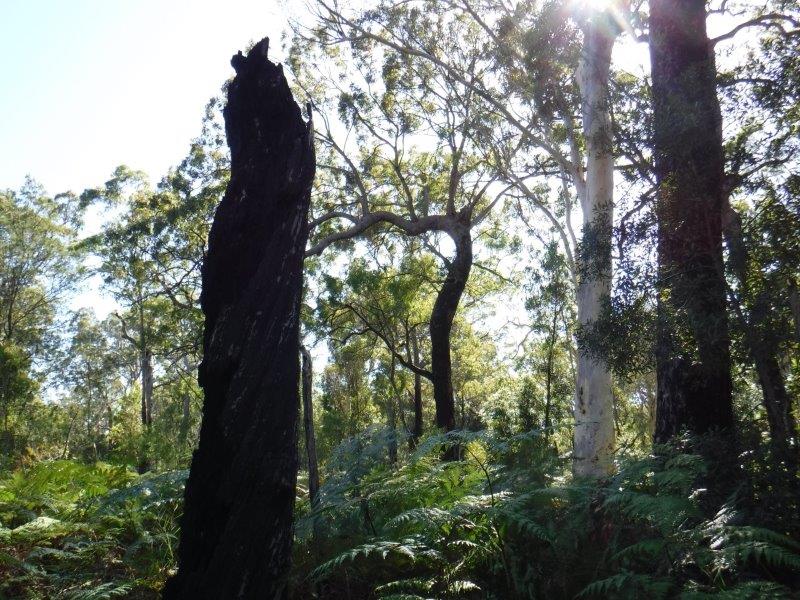
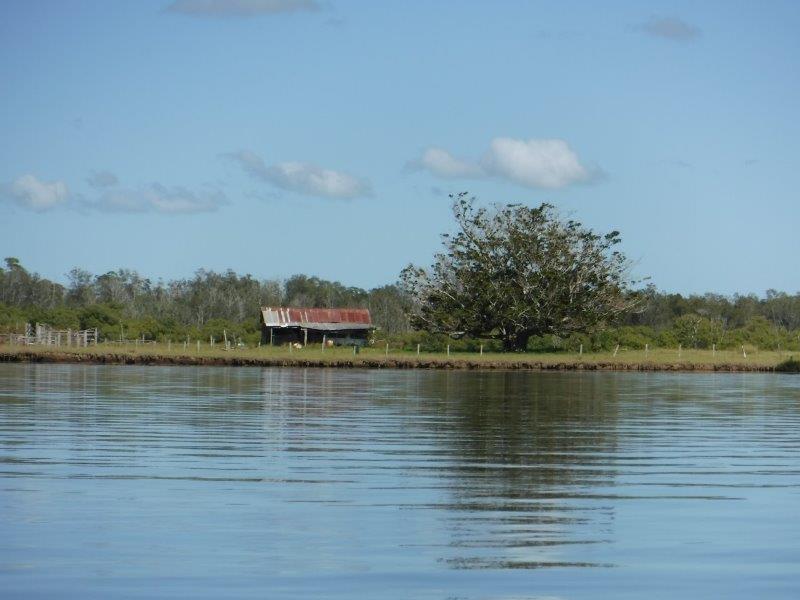
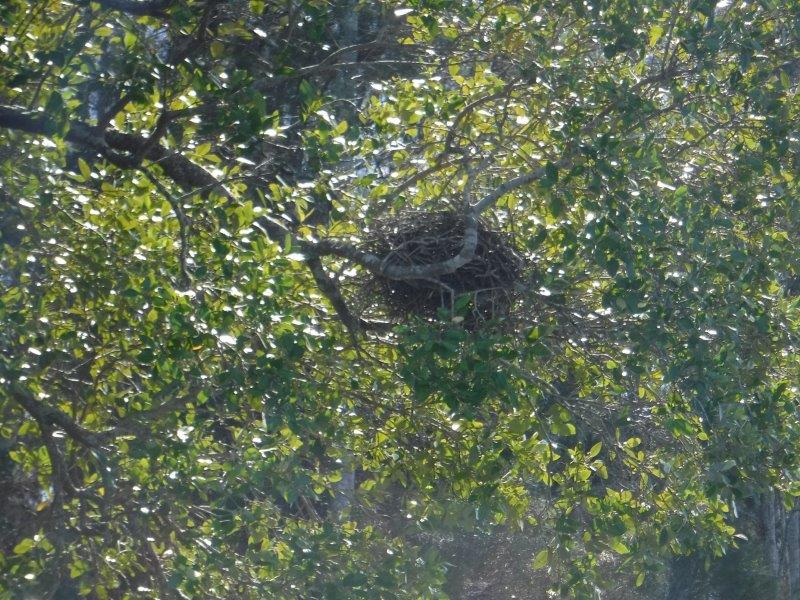
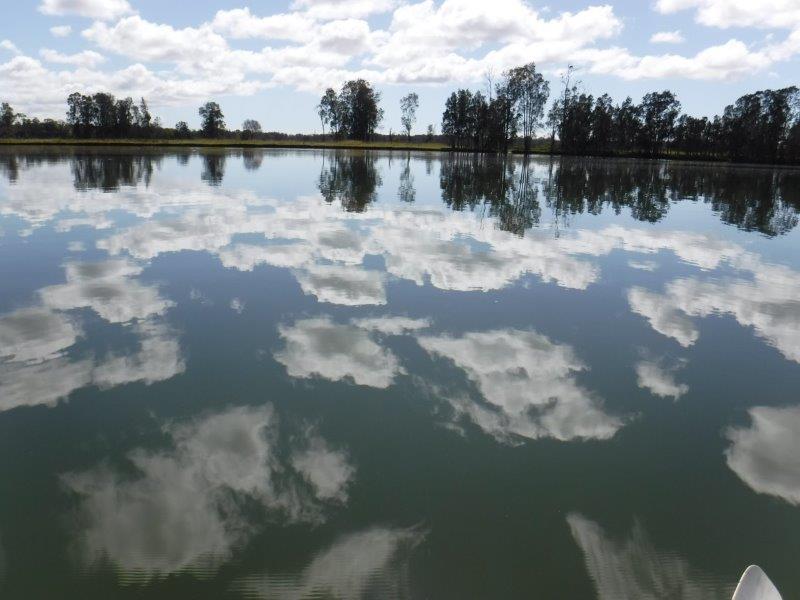
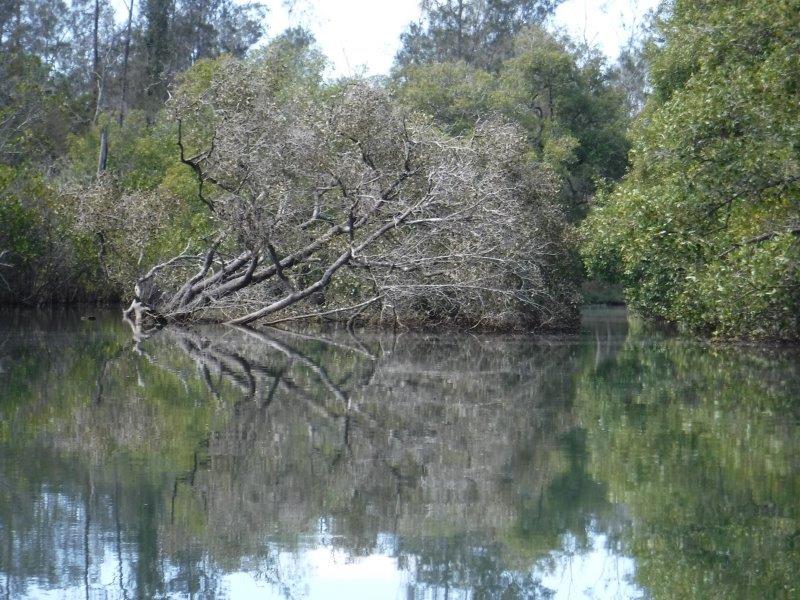
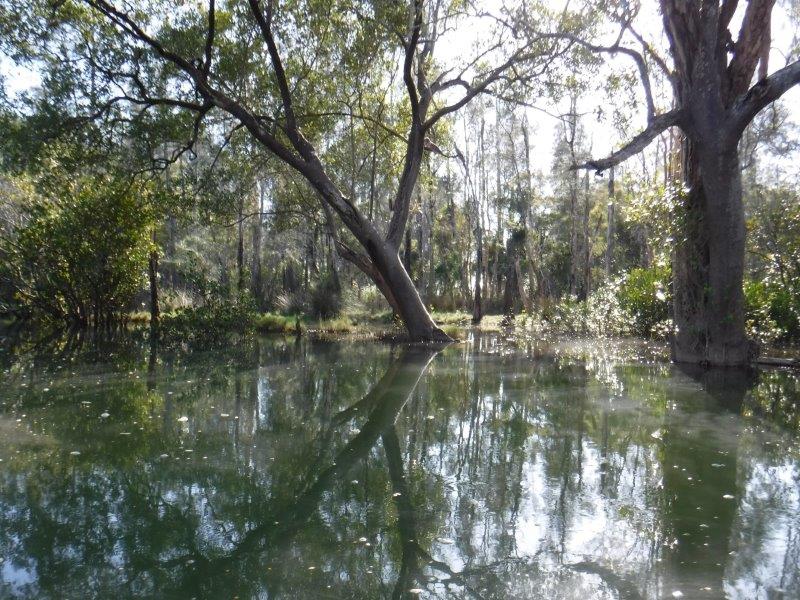
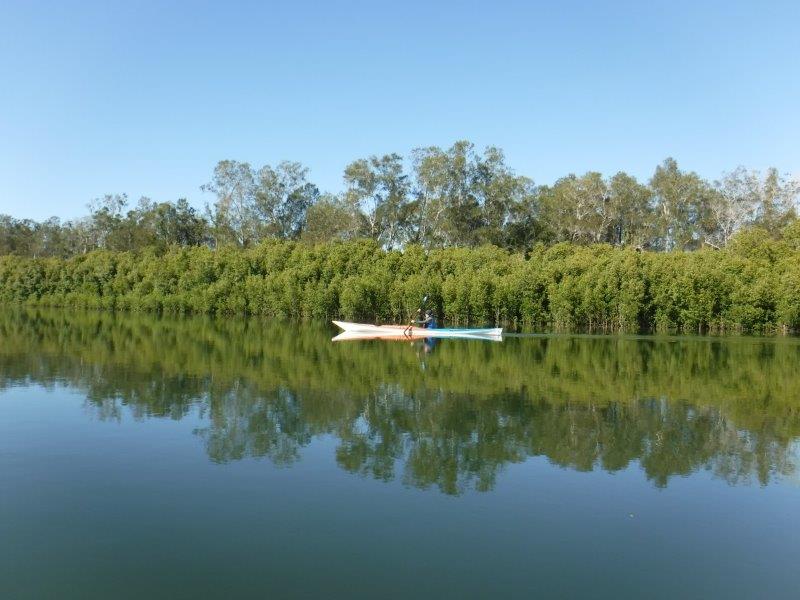
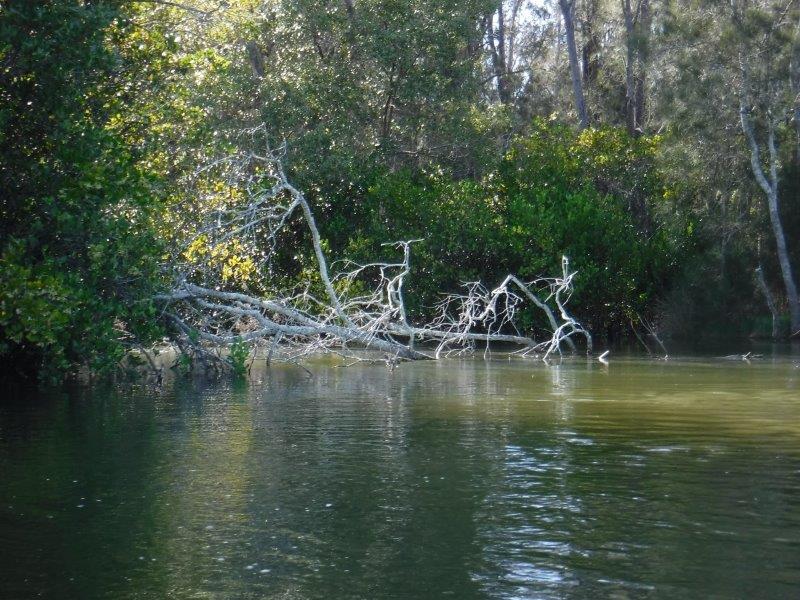
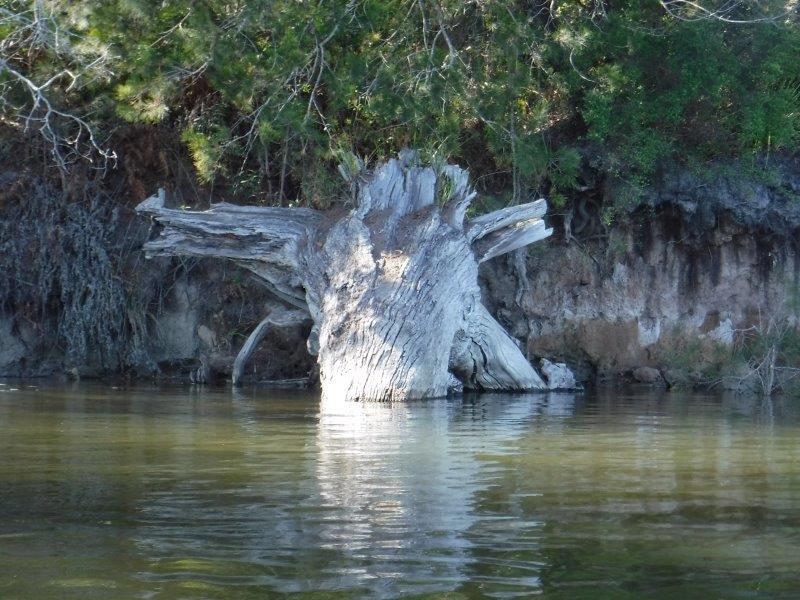
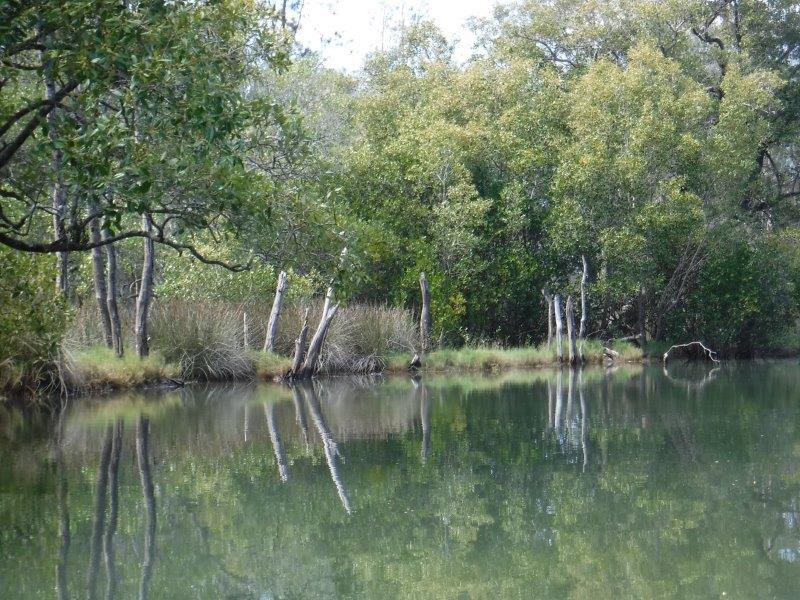
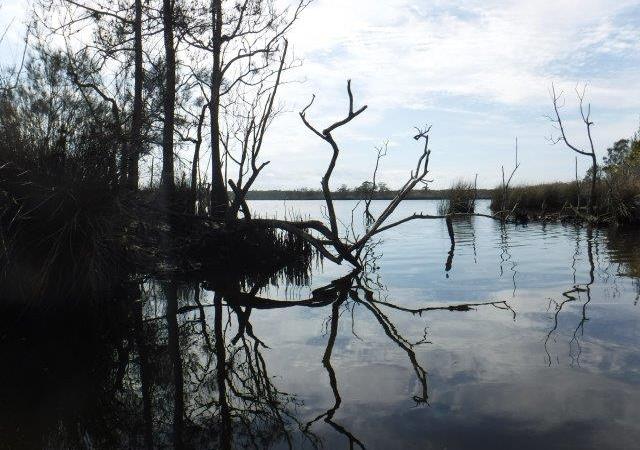
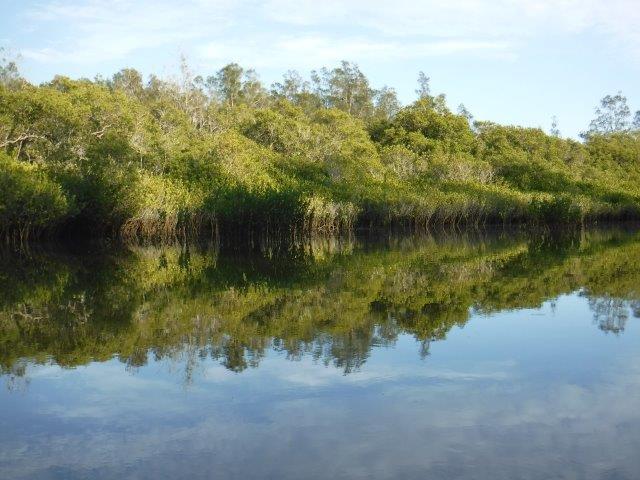
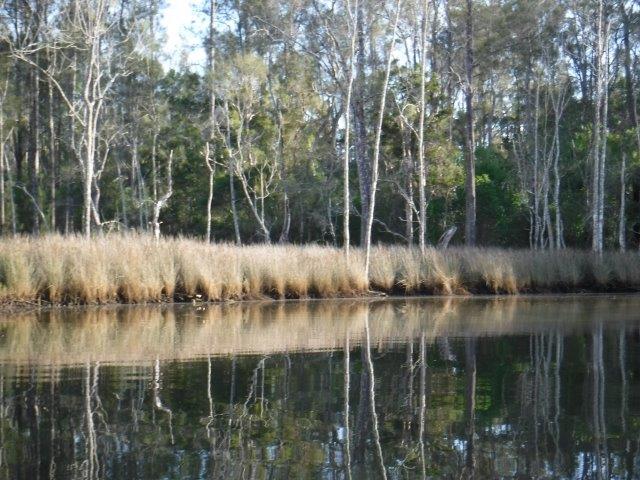
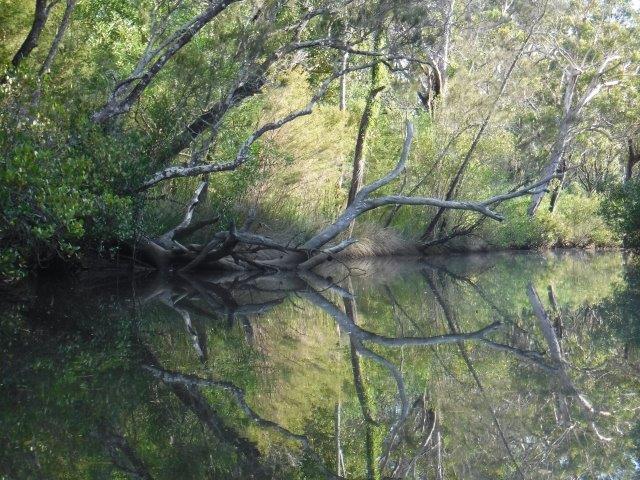
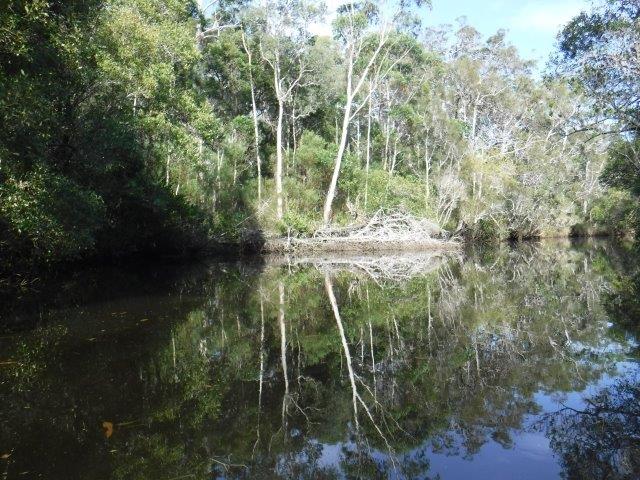
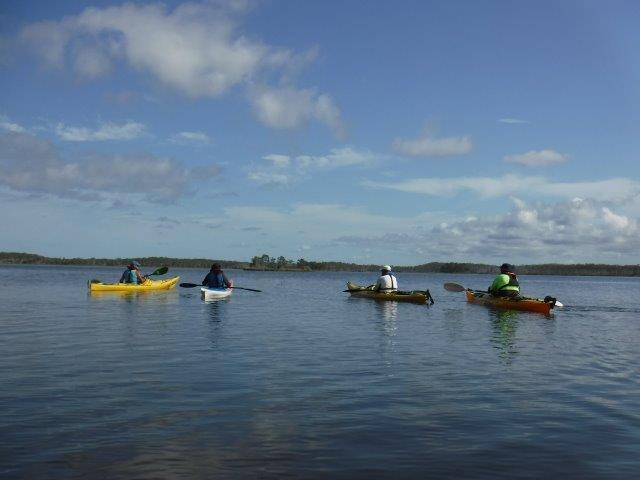
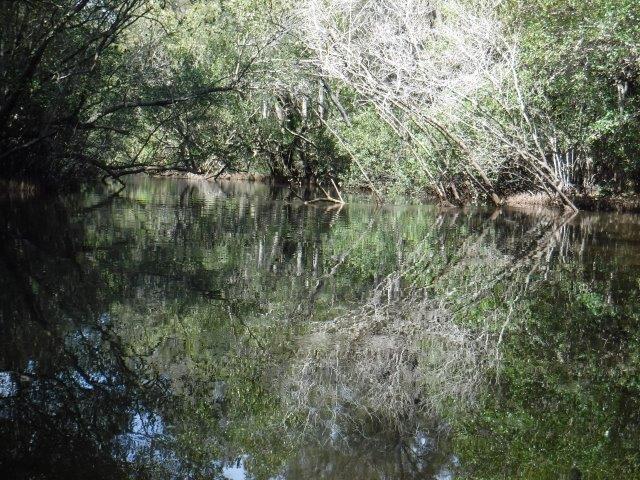
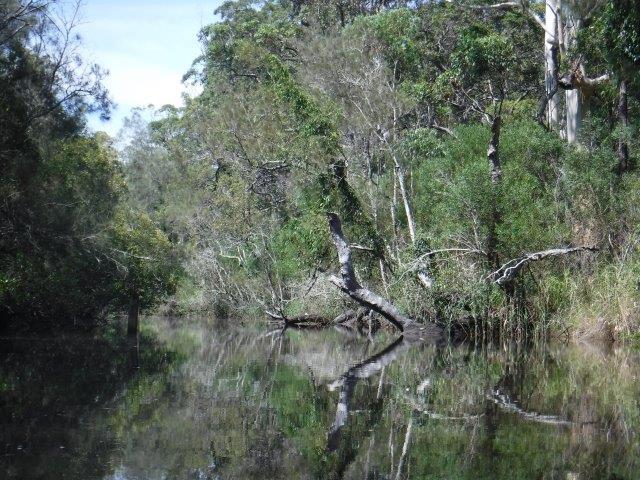
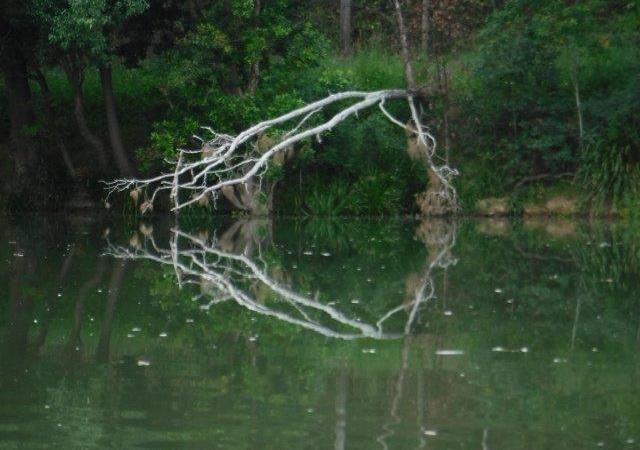
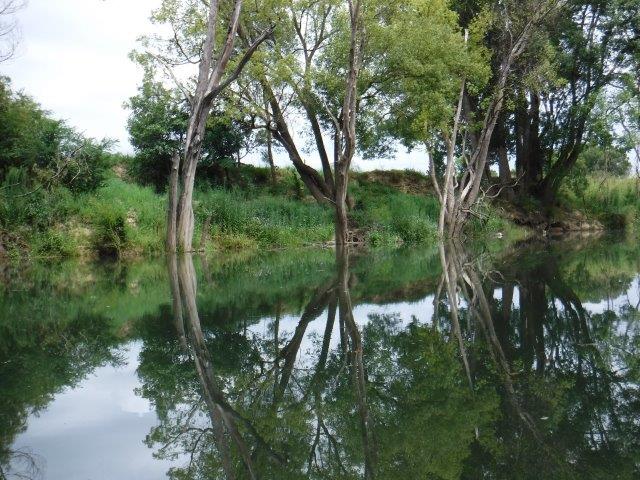
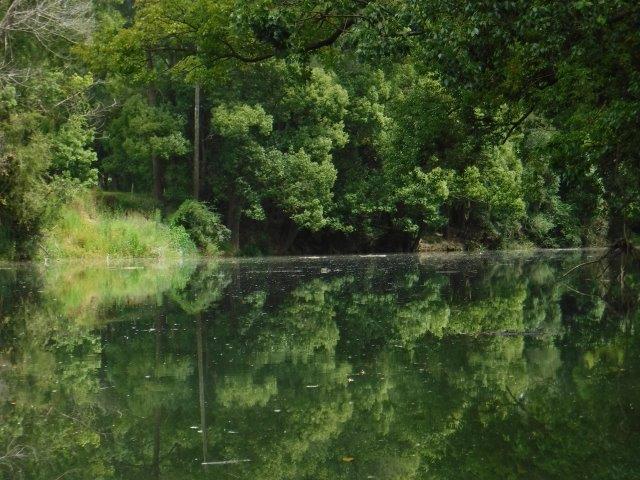
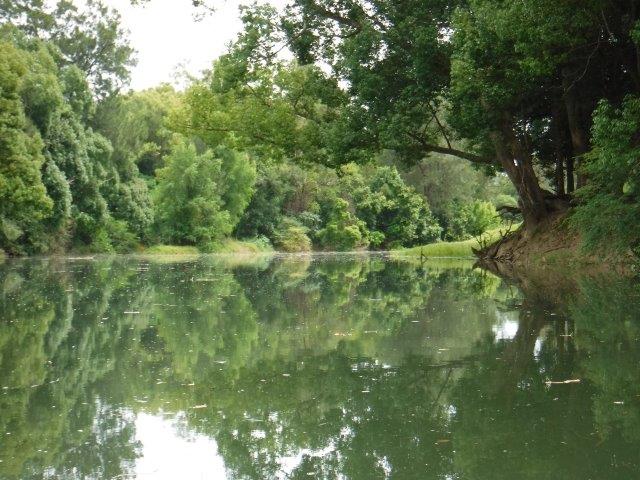
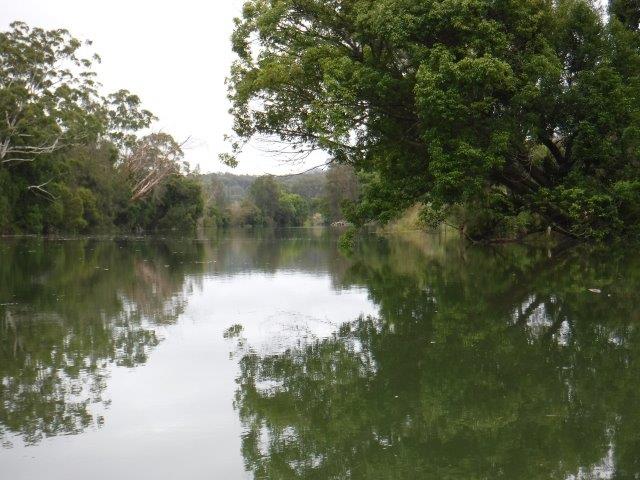
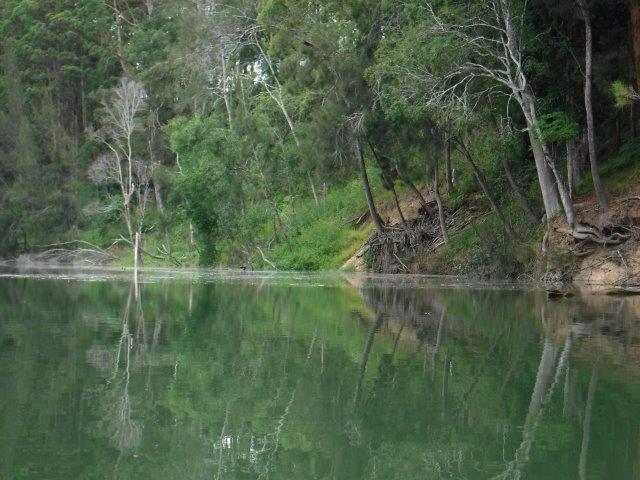
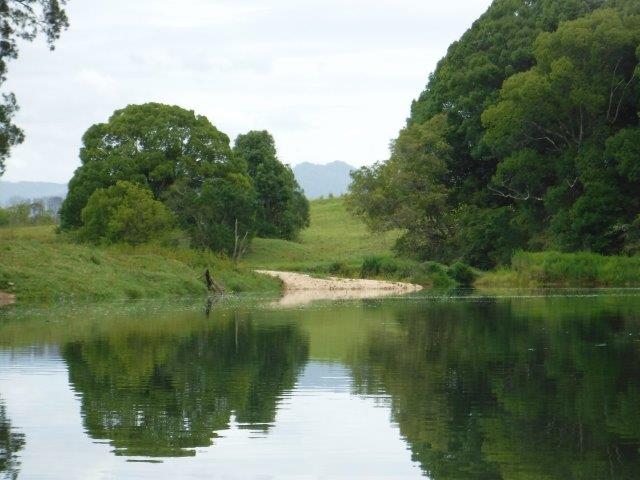
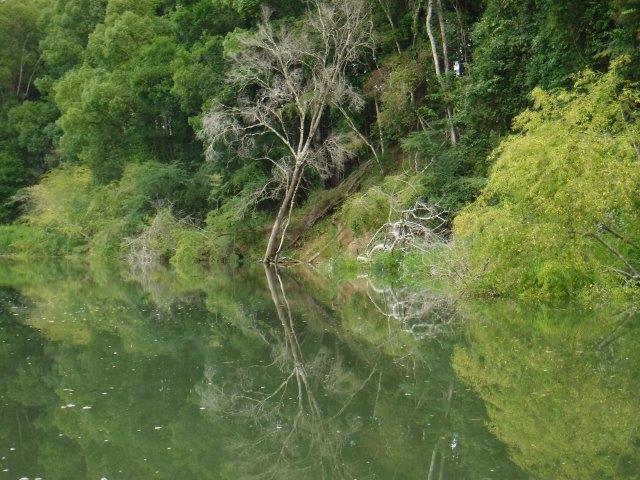
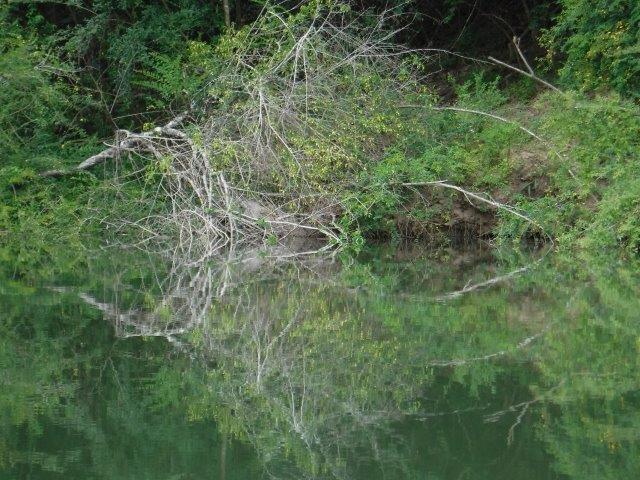
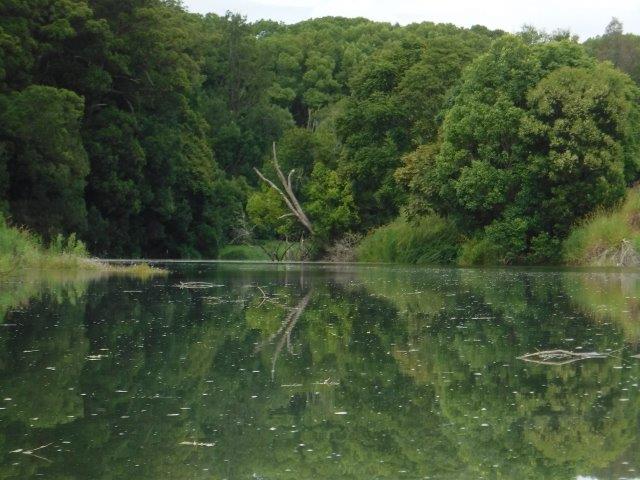
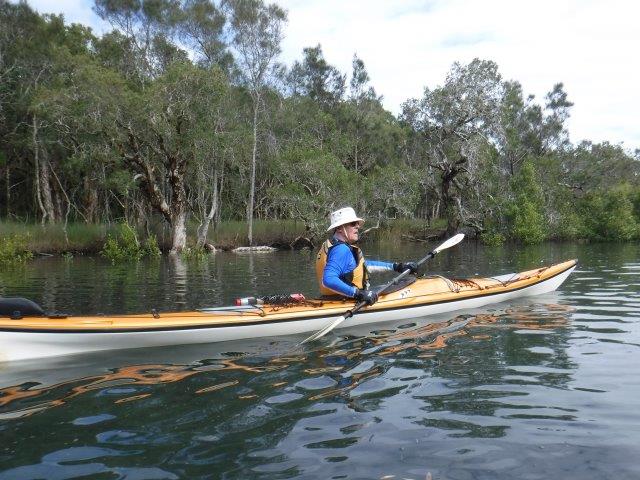
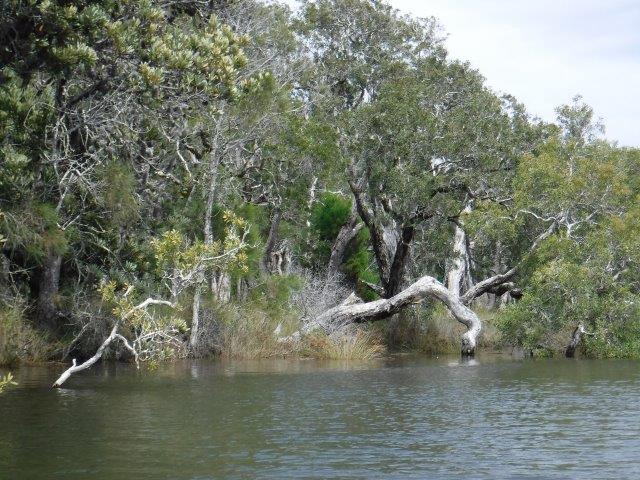
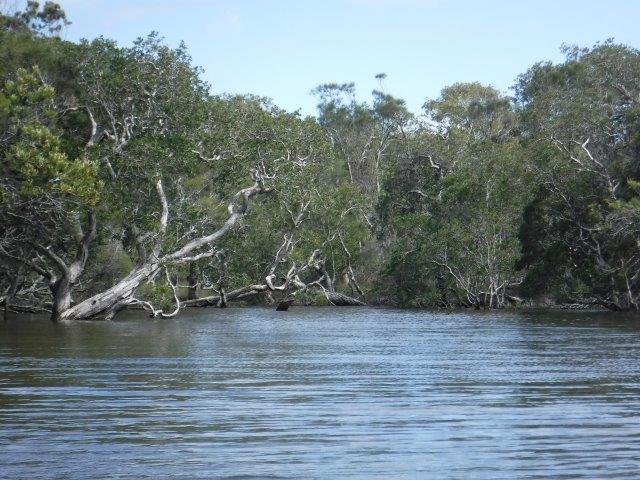
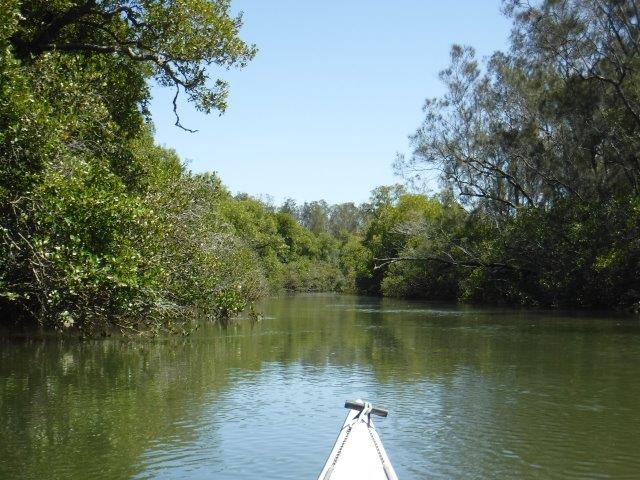
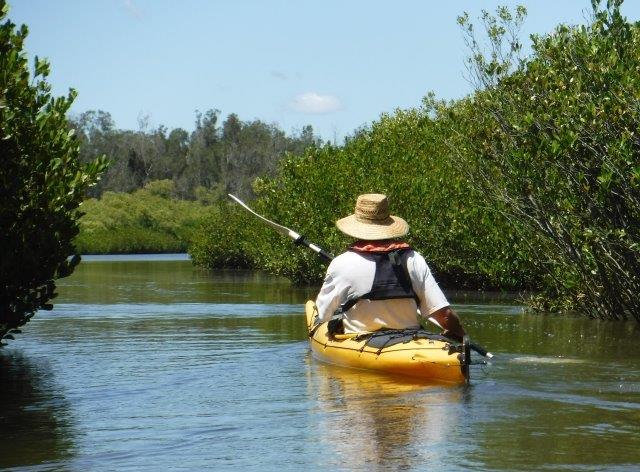
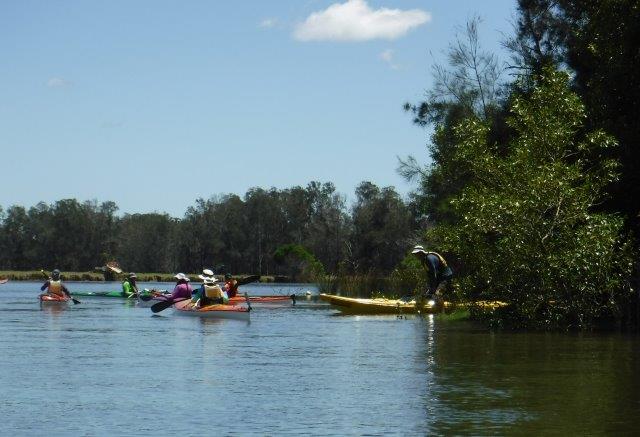
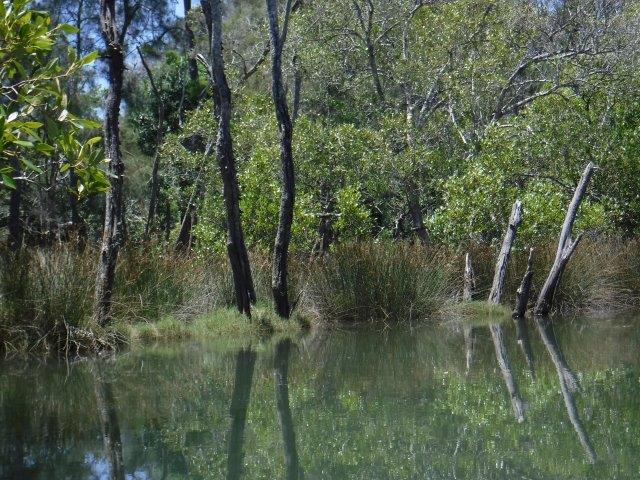
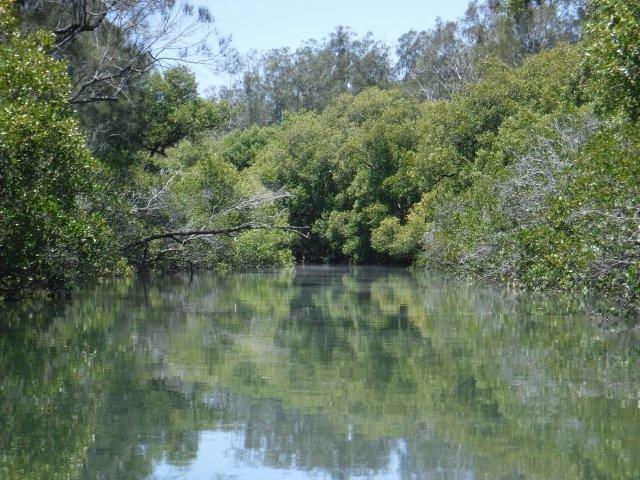
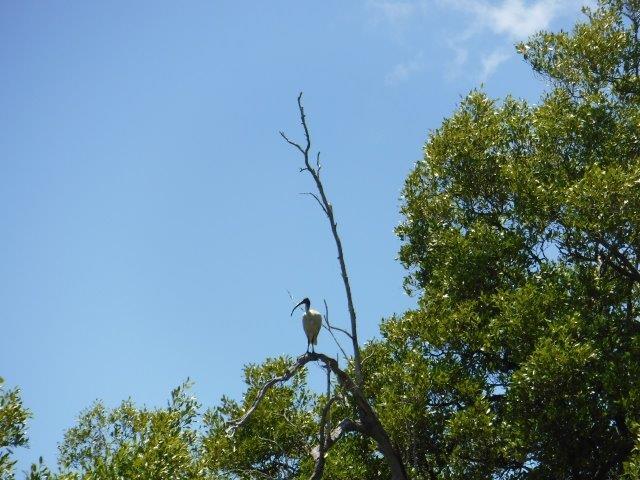
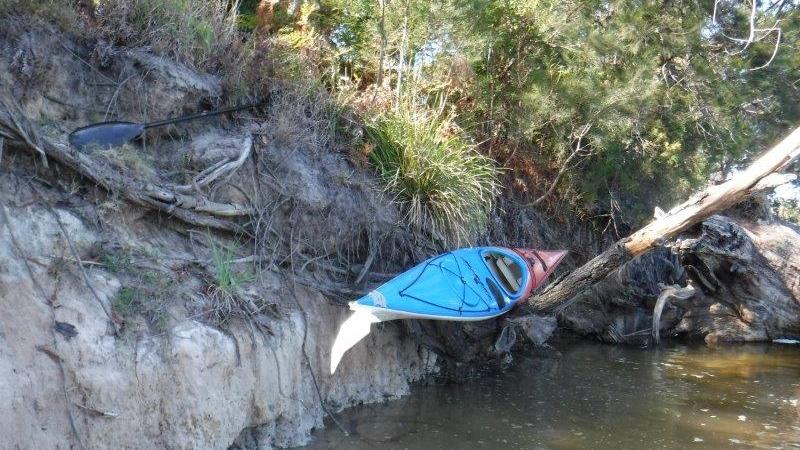
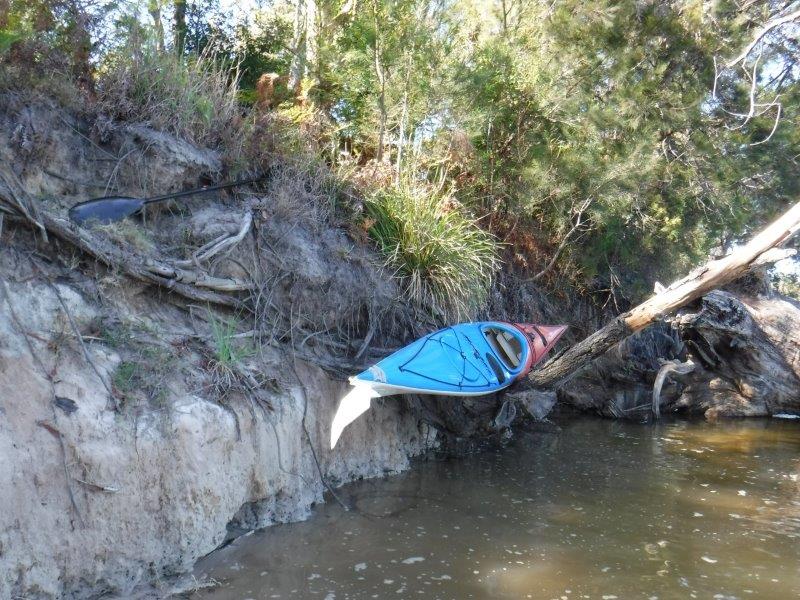
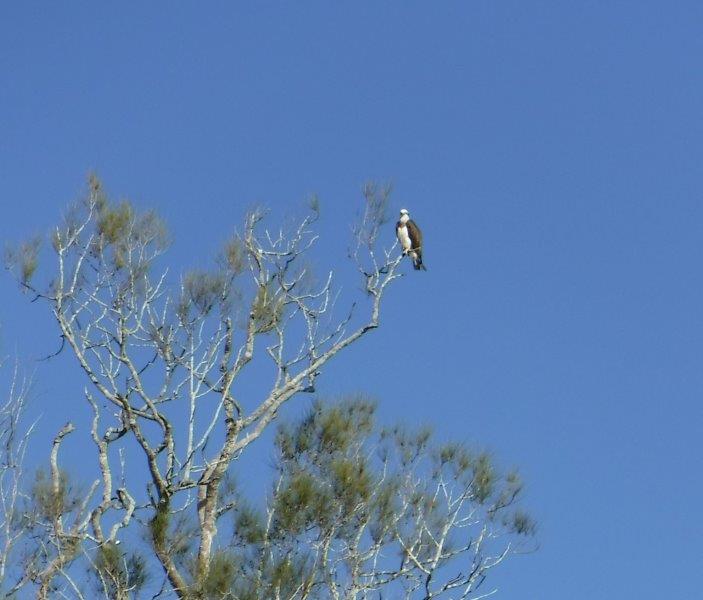
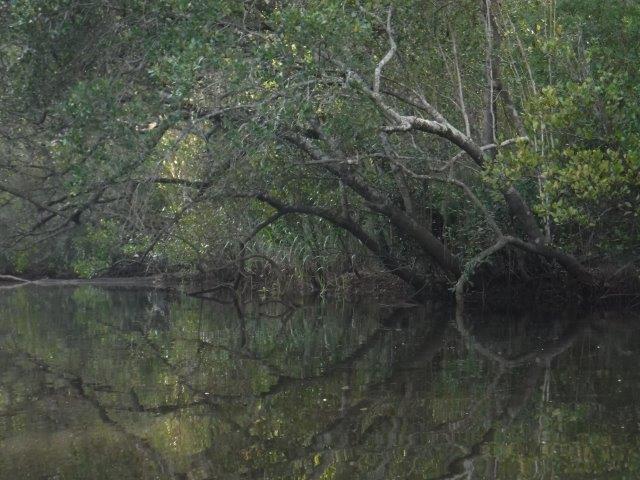
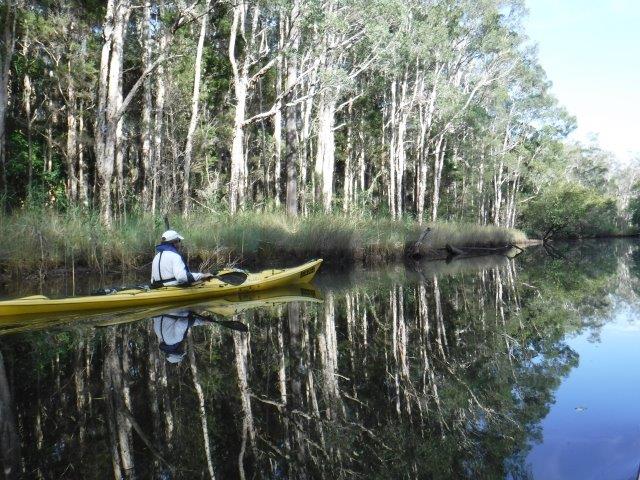
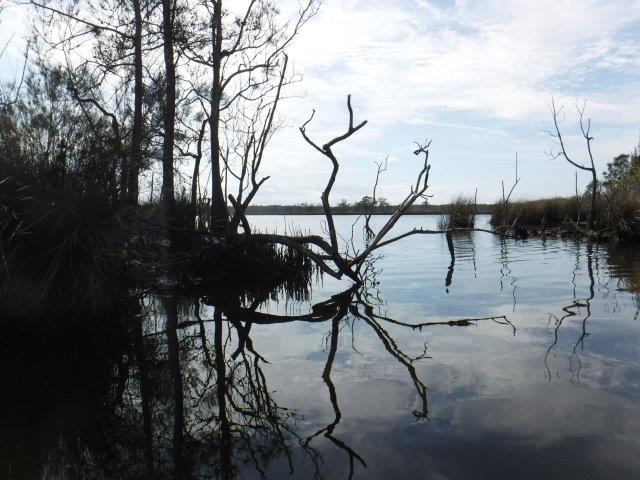
Starting from Blackmans Point we paddled up river and into one small lagoon then on to and across the small bay before entering the creek between Boomerang Island & the mainland. This is always a special part of this paddle with its mangroves ( which are flowering and shedding blossoms across the water), reflections, birdlife (kingfishers & herons) & glimpses through spindly mangrove trunks onto the island & adjacent swampy land with grasses and casuarinas. The play of light amongst the trees is always beautiful with shadows and streaks of sunlight cutting through the canopy. We had luck with bird sightings including several white bellied sea eagles, osprey, Brahminy kites, kingfishers, white faced herons & others. We also spotted an interesting, low lying nest in a mangrove tree. We exited the creek & paddled on past The Hatch & up to & into the top lagoon, a little world on its own. After pausing for a moment to reflect on the serenity of this area, we paddled on to Big Log. Someone has put a letterbox at the base of the steep bank where we get out (a bit like the one in the water at Lake Cathie). As the tide was high, tethering the kayaks was tricky, but Colin found a handy overhanging tree and exposed roots to balance his kayak on ( see pic). We enjoyed a stroll through the bush to Maria River Rd. The trees here on the eastern side of the river are tall & straight; eucalypt, bloodwoods & banksias etc unlike the dense thickets of mangroves which line the eastern side. After a snack we headed back downriver, picking up the run out on our way & enjoying a welcome cool breeze. There were some stunning cloud reflections on the river at the top of The Hatch & it was just special being out paddling on a wide river under such lovely conditions.


The Maria is a tributary of the Hastings (Dhoongang) River. It enters the Hastings between Blackmans Point and Riverside, bringing with it the waters of the Wilson River & various creeks (including Pipers & Connection Creeks) along its journey. It rises near Kundabung in the Kumbatine NP, joining the Dhoongang some 54 kms downstream. 


Cheers
Caroline 
                                  

Blog

Tom Dick’s Hole & Shallow Lake to Saltwater Lake


No Comments

Hi everyone,


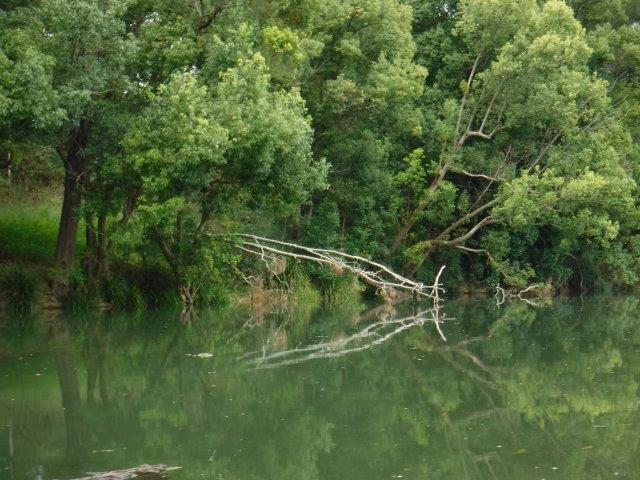
Two groups enjoyed paddles in the Limeburners area last Sunday. Greg took his group from Tom Dick’s Hole on Northshore for a pleasant paddle around the area closest to the Hastings while Bill led five of us across Shallow Lake & down the main creek to Saltwater Lake. It has been several years since we did this 27 kms return paddle & it was, as always, very special. After floods, high winds etc over the intervening years we were expecting to find trees down & considerable debris which might impede our progress, but fortunately a lot of major obstacles had been dealt with which enabled us to paddle through with minimal problems. It did become congested the closer we got to Saltwater Lake, but with a lot of manoeuvring we managed to get through & glide out onto the lake where we were greeted by a large flock of black swans, a ‘squadron’ of pelicans & other groups of flighty smaller birds who took off at our arrival, their wing tips flicking the water. It was quiet & serene & we enjoyed’ being in the moment’ for awhile before turning back. On the paddle down, once across Shallow Lake we were able to enjoy pockets of shade & the occasional puff of a light breeze which was welcome as the day was warming up. As you can see from the photos the creek is flanked by a variety of vegetation including meadows & borders of seagrass, mangroves, casuarinas, eucalypts & magnificent specimens of elk ferns. As you get further into the creek, there are areas where the canopy has grown over forming tunnels/arbours where the light is muted & the reflections subtle.  As you glide through these areas, it is like stumbling across a portal into another time & place. We have always referred to this as ‘the classic paddle’, comprising as it does a winding creek, lakes, birdlife, isolation, wilderness & serenity. One moment you are gliding across an open lake; under a clear blue sky; next you are in an ever-changing creek navigating its twists & turns, dodging sunken tree trunks & marvelling at the play of light & shade on the surrounding vegetation.


The Limeburners area has a great history dating back to pre-European settlement ( the known period of Aboriginal occupation is 5-6000 years), through to the exploitation of middens for lime for building purposes in the penal colony to the development of the oyster industry in the 1880’s. In 1971 Limeburners became the first nature reserve established on the north coast of NSW. In 2010, 9,223 ha, including the reserve, was declared a national park, Since then an area of 8360 ha within the park has been declared wilderness under the Wilderness Act of 1987. (Wilderness areas are defined as large, natural areas of land that, together with their native plant & animal communities, are essentially unchanged by human activity). As you cannot get tinnies up to the lake, kayakers enjoy the privilege of being able to enjoy this pristine area.


Sadly the old scout camp has been dismantled; only a fish cleaning bench remains to indicate where it was. We pulled over here for a rest/snack stop before retracing our steps to Tom Dick’s Hole. You always must paddle part of the way back against the tide to avoid being stranded on stealthy logs lurking just below the surface of the water & what can be a very shallow Shallow Lake.

Thanks Ken, Colin & Bill V for your company


Cheers
Caroline & Bill

Blog

Upper Nambucca River – Devil’s Elbow towards Bowraville


No Comments

Hi everyone,


16 of us travelled up to Macksville last Sunday for a peaceful paddle on the upper Nambucca River from Devil’s Elbow towards Bowraville. The big high tide made for very comfortable paddling as the low gravelly areas we often encounter were well submerged.


This is the country of the GUMBAYNGGIRR people. Their traditional boundaries were north to the Clarence River, west to the Great Dividing Range & south to a point south of the Nambucca River. The GUMBAYNGGIRR were traditionally known as “the sharing people” because their land was so rich that food & other resources were shared with other nations (coffscoast.com.au). One of the roads in the area – GIINAGAY- translates as welcome. The word NAMBUCCA translates as crooked/winding river/entrance to waters.


DEVIL’S ELBOW is a generic name used in many rivers to indicate a shallow area caused by gravel at a tight bend. There are many examples of the use of the term Devil’s Elbow throughout the world; Kate mentioned one (a road)) in the Scottish highlands that is quite notorious & featured on postcards. I googled it & it is a double hairpin bend/switchback of a 1 in 6 gradient in the Cairngorms. There is another in Missouri, USA on the historic Highway 66. Situated on Big Piney River, it was so named by rafters responsible for floating timber downriver for a tight, incised meander in the river known as a “devil of an elbow”.
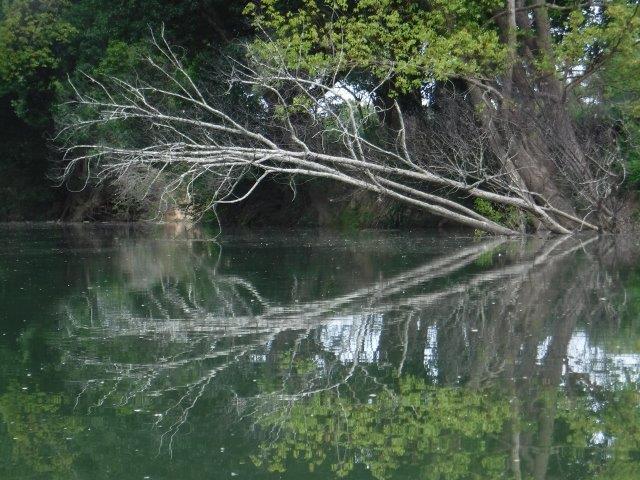
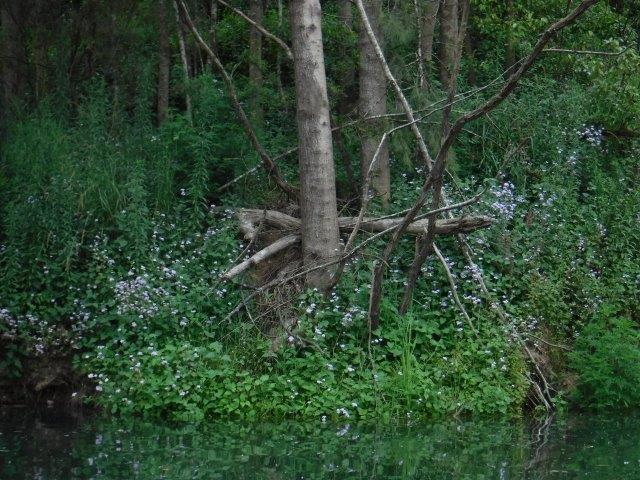
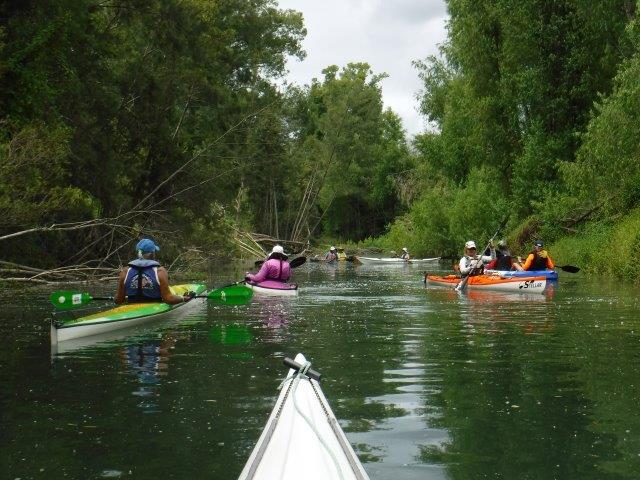
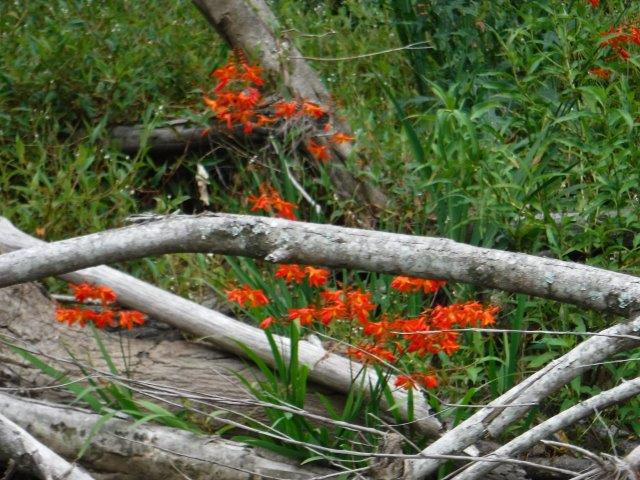
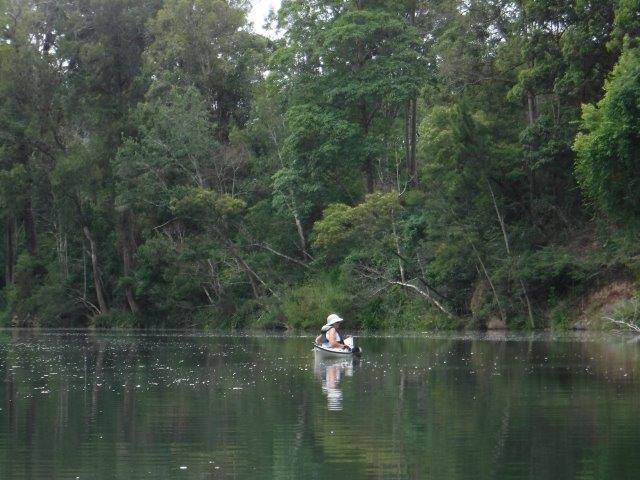
Back at our Devil’s Elbow we enjoyed the luxury of a good concrete ramp to launch & headed upstream .As you will see in the photographs, this is a pleasant, meandering paddle through rural landscapes with towering trees, open paddocks with views through to the hills & little river gravel stopping spots here & there. Although the morning was overcast, it only started to sprinkle lightly as we got back to the ramp. This light allowed the different greens to really be highlighted along with lovely clumps of orange & blue flowers that were dotted along the banks. Lazy cows watched our colourful flotilla drift past their paddock, little birds darted parallel with the banks & now & then a light breeze popped up. There were some lovely reflections of both alive & fallen trees, grassy outcrops midstream & grasses & flowers tumbling down the banks. There are several stands of old, spreading camphor laurel trees whose root systems are holding the banks together in places. Fallen timber finally stopped us & we headed back with the advantage of the run out. This paddle is just over 11 kms return.


Four kms downstream from Devil’s Elbow is WIRRIMBI ISLAND (aka Bowraville Aboriginal Reserve) which was an Aboriginal Reserve from June 1908 to May 1924. It is a place of great cultural significance to the GUMBAYNGGIRR. Another Bowraville Aboriginal Reserve (aka O’Rourke’s Settlement)was located on the Taylors Arm Branch of the Nambucca River. It was operational from 1884 to 1912. 


Macksville was named after Angus McKay & Hugh McNally who in 1885 built the Star Hotel in River St. on the banks of the Nambucca River. The town that grew up became known as Macks Village until the name changed to Macksville.
Macksville is also home to the Macksville Gift, the oldest professional foot race in NSW. It was first run in 1953.This professional athletics carnival is run under the patronage of the NSW Athletics League. 


After our paddle a few decided to have lunch at the pub in Macksville while the rest of us enjoyed a picnic at the Devil’s Elbow & wished Jane a belated happy birthday (for Saturday) & helped devour a mud cake expertly portioned out by Bruce.
We hope everyone enjoyed the paddle. Next time we will do Hells Gate on the Taylors Arm branch of the river.


Cheers
Caroline & Bill
Blog

Killick Creek at Crescent Head


No Comments

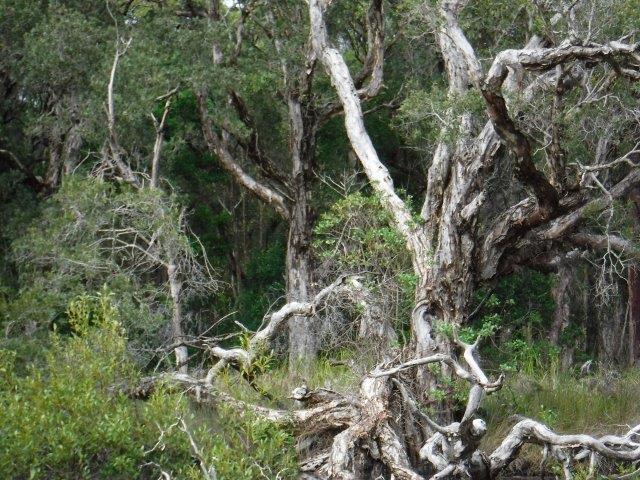
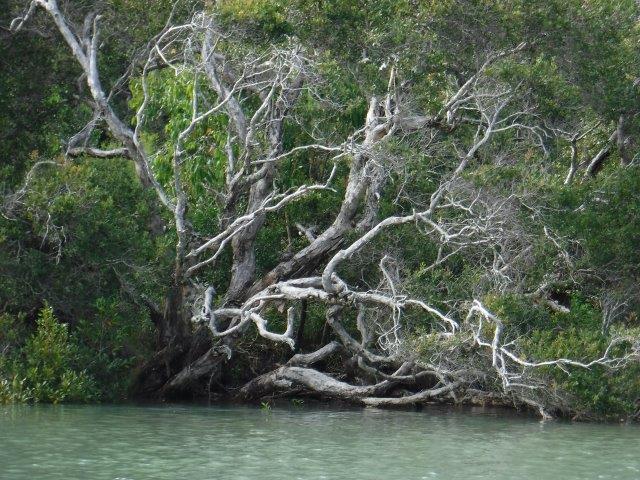
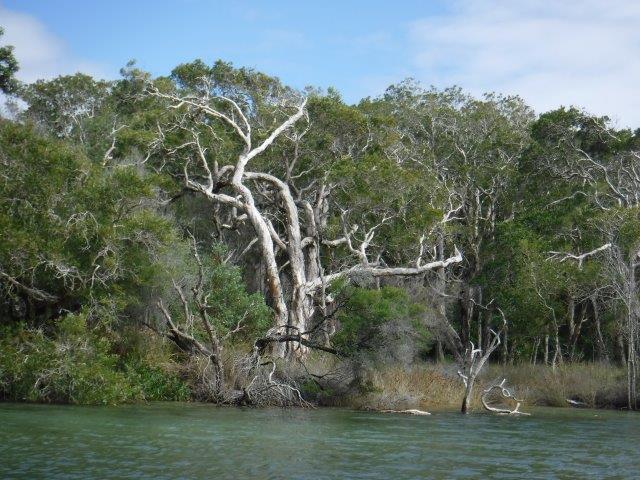
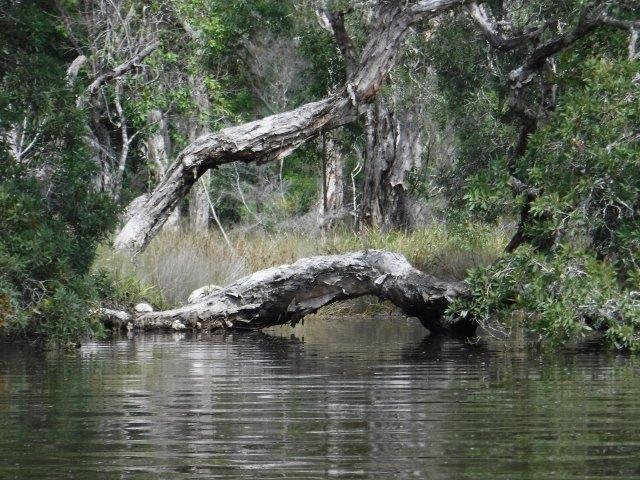
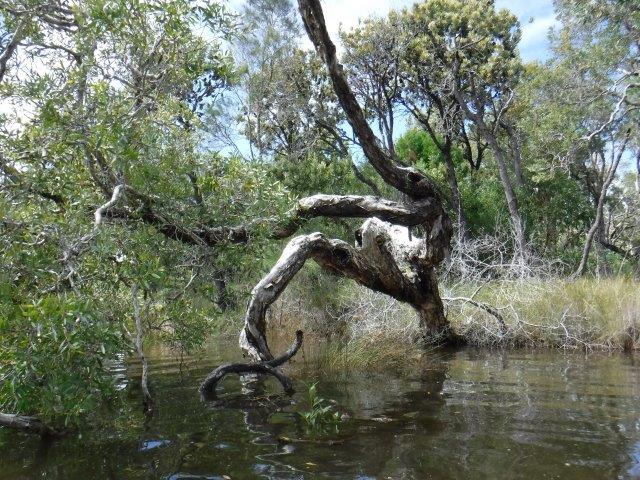
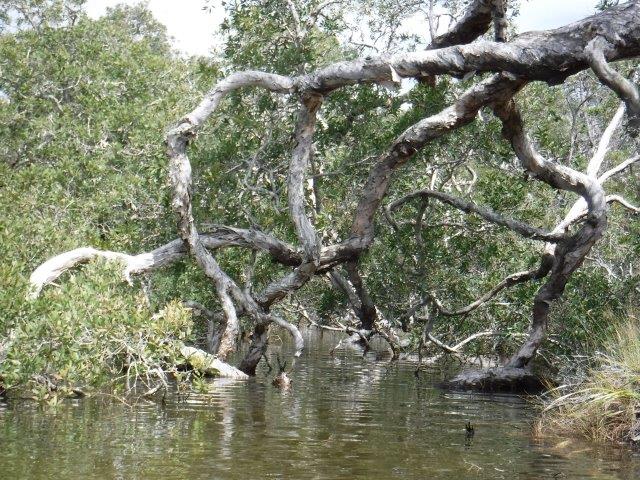
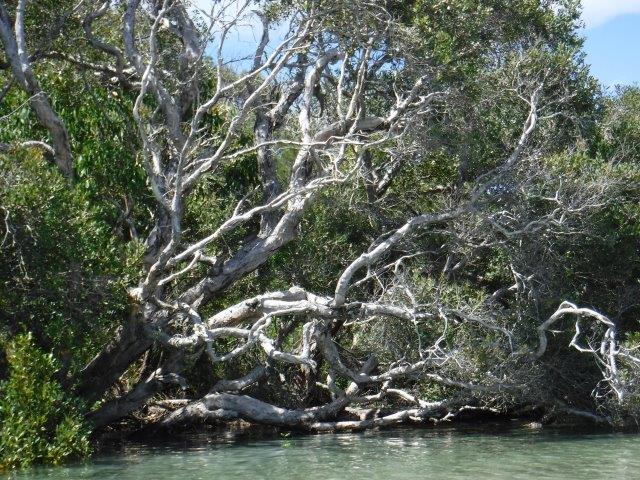
Some photos from our last Sunday paddle on the always lovely Killick Creek at Crescent Head. Best known for its magnificent old melaleuca trees.

Great to see Stephen & Greg back paddling again. 

Thanks to Leon for leading & Kate for the delicious slice which we enjoyed with lunch.

– Caroline
Blog

Maria River


No Comments

Hi everyone,


Ten of us – Bruce & Jane, Leon & Kate, Barry & Maree, Ken, Colin, Julie Ho, Bill & myself enjoyed a pleasant (approx.. 15 kms) paddle up the Maria River last Sunday. We set out accompanied by dolphins; it is always heart-warming to watch their lithe, slick bodies arc smoothly out of the water within metres of your kayak. The weather was fine & we needed the welcome NE wind as it got warm quite quickly. We crossed the river & paddled up the back channel where I spotted a huge sea eagle gliding just above the tree line. We then crossed over into one of the lagoons before heading up to the anabranch between Boomerang Island and the mainland where a large mangrove has come down. We then paddled up & into the lovely top lagoon before pulling over for a morning tea/rest break. Bill & Ken elected to paddle on to Big Log & caught up with us as we finished our break & headed back to Blackmans Point. Thanks everyone for joining us & to Bill for leading.


Blackmans Point has a troubled legacy. Although the three standing stones and plaque at the junction of the Hastings & Maria Rivers acknowledge the three rivers clans of the Birpai as the traditional custodians of the Hastings, Wilson-Maria & Camden Haven Rivers & all the lands in between, there is no history of the site itself. According to traditional oral/word of mouth Birpai history, and a written reference by a white settler, a massacre of Aboriginal people allegedly took place here in 1826. A short documentary film entitled “Blackmans Point Massacre” premiered in April 2021 during Port Macquarie’s Bicentennial celebrations. It featured interviews with Birpai people & P:rofessor Lyndall Ryan, the creator of the Colonial Frontier Massacre Map Project . While this alleged massacre is not yet included in the formal map, Professor Ryan is working with the Birpai people to collate more written ‘documented’ evidence such as the account from the book written by Henry Lewis Wilson (1817-1895) which outlined a bloody confrontation at Blackmans Point (The Early Days of Port Macquarie, published in 1889).
As you paddle along enjoying the riverscape, you never know (unless you are a local) what lies behind the tree line along the banks. Parts of the Maria River run parallel with the Maria River Rd. which is bounded in sections by the Maria River National Park. It is also home to tea tree plantations and a gin distillery!! 

The first plantation in the Maria River Plantation Group was established in 1994. Since then more have been established and there are five between Port Macquarie & Lismore. The plantations have an agricultural base of livestock with the key focus being on the production, research & development of various essential oils for wholesale distribution for application in the personal health and animal care industries. There are approx. 600 ha of tea tree plantations & the Group believes it is currently the single largest producing plantation in the world. The various sites are the Maria River Plantation, Limeburners Plantation, Heritage Farms & a site at Woodburn. The combined tea tree oil production of the sites is estimated to range between 70,000kgs to 100,000 kgs per annum, depending on the season. They also produce 1,000 kgs of lemon scented tea tree. The Heritage Farms Plantation is only 500 metres from the Settlement Point Ferry, just before you drive over the Limeburners Creek bridge.


And now, the gin distillery. According to the distillery, when it first got its licence it was one of only seven distilleries in NSW fermenting its own alcohol. This allows them to individualise their product. They produce Dry Gin and Botanical Gin. The latter requires a blending of two to three batches of Maria River Distillery (MRD) Botanical Gin to improve the flavour consistency. The botanicals are added in the final distillation process via vapour infusion. The Dry Gin has 5-6 ingredients while the Botanical Gin has 22, a lot of which are grown on the farm which also has a vineyard. In another interesting twist, alcohol is fermented from sugar and the first sugar cane planted in Australia was in Port Macquarie. It is thought the first stills were in the area around where the Hibbard ferry is now located!! Apparently the first Verdelhos were planted in Port Macquarie.

Information courtesy of North Shore Progress Association October & November 2022 newsletters & Maria River Plantation Group fact sheet.


Cheers
Caroline